

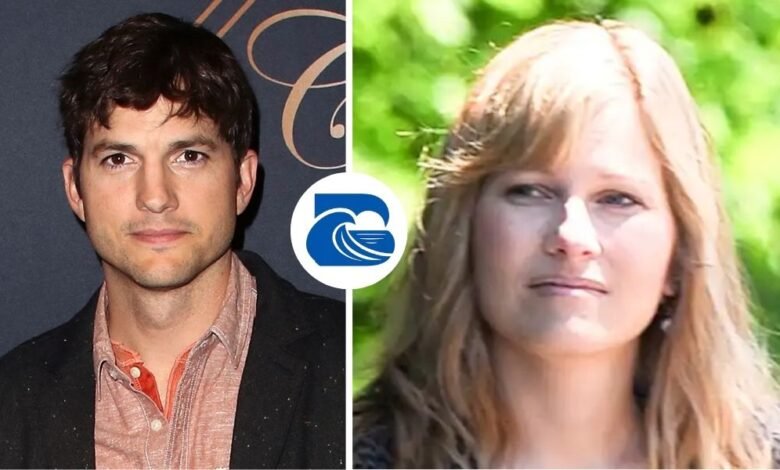
Tausha Kutcher is not a Hollywood star in the usual sense. She is best known to many people because she is connected to actor Ashton Kutcher. But one small television moment gave her name a surprising place in pop culture search results. That moment came when reports said she appeared as a walker in the season six finale of The Walking Dead.
It was not a large role. It was not the start of a major acting career. It was a brief cameo. Still, that small screen moment became one of the most repeated facts about Tausha Kutcher online. E! reported that Ashton Kutcher’s sister made a guest appearance in the finale, while Us Weekly described her as his older sister and said she played a walker in the April 3, 2016 episode.
A Small Cameo With a Long Online Life
The strange thing about celebrity culture is that a short moment can last for years. A person may appear on screen for only seconds, but the internet can turn that moment into a lasting label. Tausha Kutcher is a clear example of this.
Her reported Walking Dead cameo was fun and unexpected. Fans of the show enjoyed learning that a famous actor’s sister had stepped into the zombie world. But years later, that same cameo still appears in online write-ups about her. It shows how one tiny media appearance can follow a private person long after the episode ends.
Why The Walking Dead Moment Stood Out
The cameo mattered partly because The Walking Dead was huge at the time. The season six finale, titled “Last Day on Earth,” aired on AMC on April 3, 2016. AMC later said the finale delivered 18.4 million viewers in Nielsen live-plus-three ratings and was the most talked-about television show across major social platforms that Sunday night.
That means the episode was not just another TV hour. It was a major pop culture event. So when fans learned that Tausha Kutcher had appeared in it, the detail felt bigger than a normal background role.
A Walker Role Is Not the Same as an Acting Career
This is where careful writing matters. Tausha Kutcher should not be described as a major actress just because she had a brief cameo. A walker role in The Walking Dead can be exciting, but it is very different from building a long acting career. Many people have appeared as walkers, extras, or background characters on famous shows.
Some are trained actors. Some are fans. Some have special connections to the production. The key is to be honest about the scale of the role. Calling Tausha Kutcher a “major actress” would be misleading. Calling it a rare entertainment-world moment is more accurate.
The Power of a Fun Hollywood Connection
Part of the appeal comes from the family link. Tausha Kutcher is often searched because of Ashton Kutcher, not because she has tried to live as a public celebrity. That creates a tricky writing challenge. Readers may come for the famous name, but the article should not reduce her to someone else’s fame.
People confirms that Ashton and Michael Kutcher have an older sister named Tausha Kutcher Kordisch. That fact explains why people search for her. But it should not become the whole article. The better story is about how fame touches family members in unexpected ways.
Why Celebrity-Family Cameos Get Attention
Celebrity-family cameos are interesting because they feel like hidden Easter eggs. Fans like to notice small details. They enjoy learning who was behind the makeup, mask, costume, or background role. A cameo by a famous person’s relative feels personal. It gives viewers a small behind-the-scenes story.
In Tausha Kutcher’s case, the role was even more fun because she appeared in heavy zombie makeup. She was not playing herself. She was part of the show’s dark and dramatic world. That made the detail feel surprising, shareable, and easy for entertainment sites to cover.
The Internet Can Stretch a Small Fact
The problem begins when a small fact gets repeated without context. One entertainment appearance can become a headline. A headline can become a short bio. A short bio can become copied across many sites. Over time, readers may think the person has a bigger entertainment career than the facts support.
That is why writers should be careful with Tausha Kutcher. Her Walking Dead moment is worth mentioning, but it should not be inflated. The honest version is stronger: she had a brief, memorable cameo in a major TV finale, and that cameo became a lasting search result.
The Industry Problem: Famous by Relation
The Tausha Kutcher story also points to a larger media issue. Many private people become “famous by relation.” They are searched because they are married to, related to, or linked with a celebrity. This can create easy traffic for websites, but it can also create unfair coverage.
Some articles dig too far into private lives. Others add weak facts, guesswork, or recycled claims. Tausha Kutcher’s case offers a better path. Writers can discuss her public cameo, her family link, and the way online fame works without pretending to know private details that are not well documented.
Why This Cameo Became Sticky
A sticky fact is a fact that people remember because it is simple and surprising. “Ashton Kutcher’s sister was on The Walking Dead” is sticky because it is short, strange, and easy to repeat. It connects two different entertainment worlds.
One world is sitcoms, movies, and celebrity culture. The other is zombies, horror, and survival drama. Tausha Kutcher sits at the crossing point of those two worlds for one brief moment. That is why the cameo still works as an article hook. It gives the reader a clear reason to keep reading.
A Better Way to Write About Tausha Kutcher
A good article about Tausha Kutcher should begin with the cameo, but it should not stay only there. The writer can use that moment to explore privacy, search culture, and the way internet bios are built. This creates a deeper article.
It also avoids gossip. You can explain that she is publicly known as Ashton Kutcher’s older sister. You can mention the reported walker cameo. You can discuss why entertainment media covered it. But you should avoid claims about her personal life unless they come from reliable public sources. This keeps the article clean and trustworthy.
The Human Side of a Background Role
There is also a human side to this story. A cameo like this can be a fun memory. It may not change a person’s career, but it can still be special. Many fans would love to spend a day on the set of a hit show.
They would love to wear makeup, stand near the action, and become part of a fictional world they enjoy. Tausha Kutcher’s reported appearance fits that feeling. It sounds less like a career move and more like a rare, exciting experience. That is what makes the angle warm instead of shallow.
The Walking Dead Was Built for Hidden Details
The Walking Dead was the kind of show where fans watched closely. They paused scenes. They studied walkers. They looked for comic-book references. They discussed every clue online. That fan culture made small details more powerful. A hidden cameo could quickly become a talking point.
A background walker could become a headline if there was a story behind it. Tausha Kutcher’s cameo benefited from that environment. It arrived during a time when the show had a massive audience and strong online discussion. So even a brief appearance could travel widely.
Why Not Every Public Mention Means Public Life
There is an important difference between being mentioned in public and choosing a fully public life. Tausha Kutcher has been mentioned because of family ties and a reported TV cameo. But that does not mean every part of her life should be treated as public content. Writers should understand this difference.
Public facts can be discussed. Private gaps should stay private. This is especially important for people who are connected to celebrities but do not appear to be building their own celebrity brand. Respect makes the article better, not weaker.
What Readers Really Want to Know
Readers who search for Tausha Kutcher may first want a simple answer: who is she, and was she really in The Walking Dead? The answer is that she is publicly identified as Ashton Kutcher’s older sister, and entertainment reports said she made a guest appearance as a walker in the season six finale.
But readers also want meaning. They want to understand why that small moment still matters. The answer is that the internet loves unusual celebrity connections. It keeps small stories alive because they are easy to share. That is the real power of this cameo.
The Cameo vs. the Person
One mistake many online bios make is turning one event into a full identity. Tausha Kutcher should not be seen only through one cameo. The cameo is an interesting doorway into the article, not the entire room. It helps explain why her name appears in entertainment searches.
But it does not tell the full story of who she is. That is why the best article should use balanced wording. It can say “reported cameo,” “brief appearance,” or “rare TV moment.” It should not overstate the role or suggest a long film career without evidence.
What This Story Says About Online Fame
The Tausha Kutcher cameo says a lot about online fame in general. Fame is no longer limited to lead actors, singers, or public figures. It can spread sideways through families, social posts, fan pages, and one-time appearances.
A person can become searchable because of a single scene. That can be fun, but it can also be unfair. Search engines do not always understand context. They repeat what people click. So a small fact may rise to the top because it is more interesting than more ordinary parts of life.
A Useful Lesson for Entertainment Writers
For writers, the lesson is simple: do not turn curiosity into exaggeration. Tausha Kutcher’s Walking Dead cameo is a good hook because it is surprising. But the article should stay honest. Do not create drama where there is none.
Do not suggest a hidden Hollywood career. Do not fill missing details with guesses. Instead, explain why the moment caught attention and why it still appears online years later. This approach gives readers something useful. It also protects the subject from careless writing.
Why the Cameo Still Works as a Story Today
Even years after the episode aired, the cameo still works because it touches several interesting themes. It has celebrity connection. It has fan culture. It has television history. It has privacy questions. It also shows how a person can become attached to one public detail forever.
In 2026, readers are more aware of online privacy than before. They understand that not every searchable person is trying to be famous. That makes the Tausha Kutcher angle feel timely. It is not only about a zombie cameo. It is about what the internet does with small moments.
Final Thoughts
Tausha Kutcher’s reported Walking Dead cameo is a small story with a bigger meaning. It shows how one brief TV appearance can become a lasting part of someone’s online identity. It also shows why celebrity-family coverage needs care. The cameo is worth writing about because it is fun, surprising, and tied to one of television’s biggest shows.
But the stronger article is not just about the cameo. It is about the strange power of one screen moment, the way the internet repeats simple facts, and the need to treat private people with respect even when their names appear beside famous ones.





One Comment