
Novafork is not just another streaming name people search online. It is also a mystery about trust, ownership, and how fast online names can change. Many users look for Novafork because they want free movies or TV shows in a browser. But the deeper question is not only, “Does Novafork work?” The better question is, “Who is really behind the Novafork name today?”
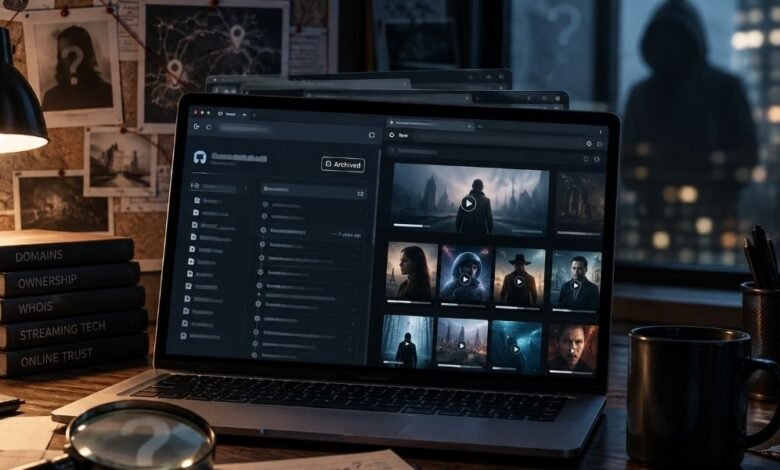
That question matters because public information about Novafork is limited. The name has been linked with free movie and TV streaming, different domains, and a public GitHub project. One known Novafork-related GitHub repository was archived in October 2025 and is now read-only, but that does not prove every current site using the Novafork name is run by the same people.
This article looks at Novafork as a case study in online identity. It explains why a public code project can create trust, but also confusion. It also shows why users should be careful when a streaming name appears across different websites.
What Is Novafork?
Novafork is mainly known online as a name connected to free movie and TV streaming. Some articles describe it as a browser-based streaming platform. That means users may search for a title, click on a movie or show, and try to play it without installing a full app.
But Novafork is not easy to define as one clear company or one confirmed service. The Trendify Magazine page says public details are limited and that different domains have used the Novafork name over time. It also notes that a public GitHub project called Novafork described an older Nova-based project that used outside APIs for movie information and streams.
This is where the mystery begins. A normal streaming company often has a clear brand, official app pages, business details, press pages, and support channels. Novafork does not appear to have that same clear public identity. So readers should treat the name as a digital label, not as proof of one stable business.
The GitHub Clue That Started the Confusion
GitHub gives Novafork a more technical story. A public repository can show code, project notes, updates, and sometimes the goal of a platform. For Novafork, this matters because the repository helped explain how at least one version of the service may have worked.
The known Novafork-related project described a streaming front end. It used movie data from The Movie Database, also known as TMDb, and used an outside video source for playback. That means the interface, the movie details, and the actual stream did not all have to come from the same place.
This is important for readers. A website can look like a full streaming library even when it is mainly pulling title data from one source and stream links from another. That does not automatically prove the site owns the content. It only shows how the site may display and connect information.
What Does “Archived” Mean on GitHub?
The archived GitHub status is one of the most important facts in the Novafork story. GitHub explains that archiving a repository makes it read-only and shows that it is no longer actively maintained.
So when a Novafork-related repository is archived, readers should not treat old “active project” language as current proof. An archived project can still be viewed. People can still study the code. But normal updates are no longer happening in the same way.
This does not prove Novafork is gone forever. It also does not prove every live Novafork website is fake. But it does mean one public technical source connected to the name is no longer active. That makes the identity question much harder.
If a website using the Novafork name still works in 2026, it may be a separate deployment, a copy, a mirror, a revived version, or something unrelated that simply uses the same name.
Why a GitHub Project Does Not Prove Website Ownership
Many readers make one mistake with sites like Novafork. They see a public GitHub project and assume any website with the same name must be official. That is not safe thinking.
GitHub projects can be copied, forked, renamed, or reused by different people. GitHub describes forks as a way to create your own copy of a repository and work from it.
That is useful for developers. It helps people improve software and build new versions. But for regular users, it can create confusion. A copied codebase can appear under a familiar name while being run by a different person or group.
So the Novafork name on a domain does not answer these questions:
-
Who controls this exact website?
-
Is it linked to the original public project?
-
Has the code been changed?
-
What scripts, ads, or trackers are running?
-
Does the site have permission to show movies or shows?
These questions matter more than the name itself.
How Copied Names Spread Online
Online names spread fast because the web rewards familiarity. If people search for Novafork, other domains may use that name to attract clicks. Some may be honest forks or fan-made versions. Others may be low-quality copies. Some may be risky pages built only to collect traffic.
This happens often with tools, apps, and streaming names. A name becomes popular. Users search for it. Then new pages appear with similar branding. The page may look clean. The logo may feel familiar. The layout may seem modern. But none of that proves ownership.
Novafork shows how a name can become bigger than the original project. The GitHub project gives one piece of history. The live search results may show another story. Users are left between those two worlds.
That is why an article about Novafork should not only ask whether it works. It should ask how users can tell the difference between a real project, a copied project, and a risky imitation.
Metadata Can Make a Site Look More Official Than It Is
One reason Novafork can seem official is the use of movie metadata. TMDb’s developer documentation says its API provides methods for movie, TV, actor, and image data.
This kind of data can make a website look polished. It can show posters, titles, descriptions, ratings, cast details, and release information. To a normal viewer, that looks like a real streaming catalog.
But metadata is not the same as streaming rights. A site may show a movie poster and summary, but that does not mean it has legal permission to stream the movie. This is one of the biggest misunderstandings around sites like Novafork.
A clean catalog can be built from public or licensed data sources. The actual video stream is a different matter. It may come from another provider, and that provider may change, fail, or disappear.
The Legal Question Behind Novafork
The legal side of Novafork is not simple because the name may point to different sites or versions. A public code project does not automatically make a live streaming site legal. Software code and movie rights are two different things.
A developer may have permission to publish code. That does not mean the site has permission to stream copyrighted films or shows. Rights to movies and TV programs are controlled by copyright holders, studios, networks, and distributors.
This is why users should be careful with any streaming site that does not clearly explain its licensing. The safest services are those that clearly show how they offer content. These may include paid platforms, free ad-supported services, official broadcaster apps, or rental platforms.
For Novafork, the main issue is uncertainty. When ownership and licensing are unclear, readers should not assume everything is safe just because the site loads in a browser.
The Safety Risk Is Also Real
Safety is another part of the Novafork mystery. Free streaming sites can expose users to pop-ups, redirects, fake buttons, strange downloads, and browser warnings. Not every free site is dangerous, but unknown streaming pages deserve caution.
The U.S. Federal Trade Commission has warned that illegal video streaming apps and websites offering free movies or TV shows can expose users to malware.
This risk becomes higher when a site asks users to install an unknown player, disable browser protection, allow notifications, or enter payment details. A simple streaming page should not need that kind of access.
For Novafork readers, the safety lesson is clear. Do not judge a site only by its name. Judge it by its behavior. A familiar name with suspicious behavior is still suspicious.
A Personal Story: The Viewer Who Just Wanted One Movie
Imagine a student named Adam. He wants to watch one older movie for free. He searches the web and sees Novafork in the results. The page looks simple. There are movie posters, search buttons, and maybe several streaming sources.
At first, it feels easy. Adam thinks he found a helpful free site. But then one stream does not load. Another button opens a new tab. A third page asks him to allow notifications. Then a fake warning says his browser is outdated.
This kind of story is why Novafork is more than a tech keyword. It shows how normal users get pulled into unclear online spaces. Most people are not trying to study GitHub repositories or domain ownership. They just want to watch something.
The problem is that streaming convenience can hide identity problems. When users do not know who runs the site, they also do not know who controls the ads, scripts, links, or data collection.
Why Domain Changes Make Trust Harder
Domain changes are one of the biggest reasons names like Novafork become confusing. One domain may stop working. Another may appear. Users may see comments online saying “use this new one.” But that does not prove the new address is official.
Trendify’s Novafork guide notes that the name has appeared on different domains and that users have reported outages and broken streams.
This creates a trust gap. A broken site may mean the project is down. It may also mean one video source failed. It may mean a domain expired. It may mean the site moved. Or it may mean someone else is using the name to catch traffic.
For readers, the safe rule is simple: never assume a replacement domain is official only because it uses the same name. Check the exact website, not just the brand word.
What Users Should Check Before Trusting a Novafork Site
Users should ask a few basic questions before trusting any Novafork-branded page.
First, does the site identify who runs it? A real service should have clear contact details, privacy terms, and ownership information. Second, does the site ask for strange permissions? If it asks for downloads, extensions, or payment details too quickly, leave.
Third, does it explain where the content comes from? A legal streaming platform should make its content model clear. It may be subscription-based, rental-based, ad-supported, or tied to official partners.
Fourth, does the page behave normally? Endless redirects, fake play buttons, forced notification requests, and fake virus warnings are red flags.
These checks do not prove everything, but they help readers avoid blind trust.
Why Novafork Is a Bigger Lesson About the Modern Web
Novafork is not only a streaming story. It is also a lesson about the modern internet. Names can travel faster than facts. A project can start in one place, get copied, appear on many domains, and become hard to trace.
GitHub can show useful clues. Domain records can show some history. Search results can show public interest. But none of these alone gives the full truth.
That is the main reason Novafork is an interesting article topic. It sits between open code, streaming demand, user confusion, and online safety. It shows how people now judge trust in a web full of copies, forks, mirrors, and lookalike brands.
The real mystery is not only who created Novafork. The bigger mystery is who controls each version that users find today.
Final Thoughts
Novafork is best understood as a streaming name with an unclear public identity. A known GitHub project gives part of the story, but it does not prove ownership of every current Novafork-branded website. The archived repository also makes old claims harder to trust because GitHub says archived repositories are read-only and no longer actively maintained.
For readers, the lesson is simple. Do not trust a streaming site only because the name looks familiar. Check the exact domain. Look for clear ownership. Avoid downloads and strange permission requests. Remember that movie metadata is not the same as streaming rights.
Novafork may attract users because it promises easy free viewing. But its real value as a story is deeper. It shows how online names can become mysteries, and why digital trust now depends on more than a clean homepage.
