

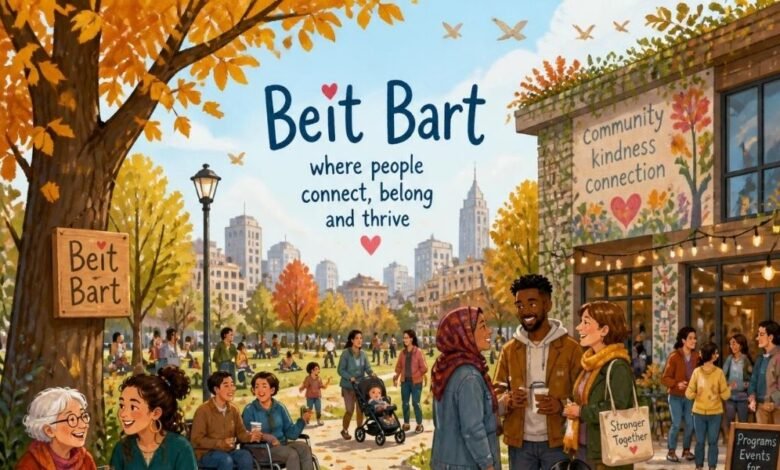
Beit Bart is often searched as a name, a place, or a mystery. But the most useful way to understand it is through people. Public sources describe Beit Bart as a senior residence in Jerusalem, linked with Reuth and located on Hebron Road. It is not just a building with rooms. It is a place connected with older adults, daily support, religious life, and community living.
That matters because old age is not only about health. It is also about friendship, routine, dignity, and feeling seen. Many older adults do not only need a safe room. They need people around them. They need meals, talks, prayer, events, and staff who notice small changes. This is where Beit Bart becomes a bigger story.
It shows a simple truth. A home is not only made of walls. A home is made of people.
What Is Beit Bart?
Beit Bart, also written as Beit Barth in some English sources, is described as a senior living residence in Jerusalem. The Infovio guide identifies it as a senior-housing residence at 56 Hebron Road. It also says the residence is associated with Reuth, an Israeli nonprofit organization involved in health care, rehabilitation, eldercare, and social services.
The Jerusalem Post also mentions Beit Barth as one of the retirement homes managed by Reuth. That source says Reuth was established in 1937 and manages several services, including Reuth Tel Aviv Rehabilitation Hospital, senior housing, retirement homes, and a community center for older people.
This background helps readers see Beit Bart clearly. It should not be presented as an ancient village or archaeological site without strong proof. Its better-known identity is modern and practical. It is linked with senior housing and community care in Jerusalem.
Why Community Matters So Much in Old Age
Old age can bring many quiet changes. A person may stop working. Friends may move away or pass away. Children may live in another city. Health problems can make it harder to go out. These changes can slowly turn daily life into a lonely routine.
The World Health Organization says social isolation and loneliness are important but often neglected social factors that affect health, including among older people. The National Institute on Aging also explains that staying connected can help protect mental and physical health.
This is why a senior residence like Beit Bart matters. It can create a daily setting where older adults are not left alone for long periods. They may see neighbors at meals. They may join group activities. They may attend prayers. They may meet staff who know their habits.
These small moments can seem simple. But for an older person, they can change the whole day.
The Quiet Pain of Loneliness
Loneliness is not always easy to see. An older person may have food, clothes, medicine, and a clean room but still feel deeply alone. They may smile when family visits. Then they may spend long hours with no one to talk to.
The CDC says social isolation and loneliness can put people at risk for serious mental and physical health conditions, and older adults are at higher risk for social isolation. WHO also says social isolation and loneliness affect about one quarter of older people and are key risk factors for mental health conditions in later life.
This is where Beit Bart gives an important lesson. Senior housing should not only protect the body. It should also protect the heart and mind. A person needs more than a bed. They need a reason to wake up, get dressed, eat with others, and feel part of life.
Daily Human Contact Can Be a Form of Care
Care does not always look like medicine. Sometimes care is a warm meal. Sometimes it is a short talk in the hallway. Sometimes it is a staff member asking, “Are you feeling okay today?” Sometimes it is another resident saving a seat at lunch.
Available descriptions of Beit Bart and similar Reuth homes point to community life, cultural activities, synagogue life, and support services. These details matter because they show that senior living can be built around daily contact.
Daily contact helps in practical ways too. If someone skips meals, seems confused, walks with more trouble, or becomes withdrawn, people may notice. Family members living far away may not see these changes right away. A community setting can make those changes harder to miss.
That is one hidden value of places like Beit Bart. They can turn care into a daily pattern, not only an emergency response.
Meals Are About More Than Food
In old age, meals can become lonely. A person living alone may stop cooking full meals. They may eat less. They may snack instead of sitting down. They may lose interest in food because no one is there to share it.
In a senior residence, the meal can become a social anchor. It gives structure to the day. It brings people into one room. It allows older adults to talk, listen, laugh, and feel part of a group.
A Hebrew senior housing directory describes Beit Bart as having a dining room and catering services, along with social, cultural, and leisure activities. These details show how daily services can support more than basic needs.
A hot meal is important. But the table around the meal can be just as important. It can turn food into friendship. It can make the day feel less empty.
Religious Life Can Help Some Residents Feel at Home
For many older adults, faith is not a small detail. It is part of memory, family, identity, and daily rhythm. Prayer times, holidays, songs, and traditions can bring comfort. They can also help older people feel that their life still has order and meaning.
Sources describe Beit Bart as connected with a religious or national-religious environment. Infovio says available materials describe it as having a religious senior-housing environment with an active synagogue and cultural programming. A Hebrew directory also lists synagogue, daily prayers, Torah lessons, and religious activities among the features connected with the home.
This does not mean every senior residence should look the same. Each older person has different beliefs and needs. But for residents who want religious life nearby, this type of setting can be deeply helpful.
It means faith does not have to be something they manage alone. It becomes part of the shared life of the home.
Community Helps Protect Dignity
Dignity means being treated as a full person. It means not being reduced to age, illness, or weakness. Older adults still have stories, skills, memories, opinions, and humor. They still want choice and respect.
A good senior community can support this dignity. It can give residents chances to join activities, speak with others, pray, read, walk, attend talks, and keep routines. It can also support privacy while still offering help.
This balance is important. Too much isolation can harm a person. Too much control can also harm dignity. The goal is not to take over someone’s life. The goal is to create a safe setting where that person can keep living with meaning.
Beit Bart is useful as an article topic because it lets readers think about this balance. Senior housing should not be judged only by rooms or buildings. It should also be judged by how it helps people feel respected.
Activities Give Shape to the Week
A week can feel very long when a person has no plan. This is true for anyone, but it can be harder for older adults who no longer work, drive, or move freely. Activities can give shape to time.
The Hebrew senior housing listing for Beit Bart mentions a range of social, cultural, and leisure activities, including exercise, creative classes, lectures, trips, Torah and Gemara lessons, concerts, and daily prayers.
These activities are not just entertainment. They can support memory, movement, mood, and connection. A lecture can start a conversation. A prayer service can bring people together. A class can help someone feel capable. A trip can break the routine.
Small events can make life feel active again. They remind residents that they are not only being cared for. They are still taking part.
Families Need Community Too
When an older parent moves into senior housing, the family also goes through change. Adult children may feel guilt. They may ask if they made the right choice. They may worry about safety, care, cost, food, medical help, and emotional comfort.
A place like Beit Bart can help families think about a better question. The question is not only, “Where will my parent sleep?” The better question is, “Where will my parent live with the most support and connection?”
Location also matters. Beit Bart is identified as being on Hebron Road in Jerusalem, and public descriptions connect it with the Baka area. For families in or near Jerusalem, this may make visits easier. Regular visits help the older person stay connected with family while also gaining a wider daily community.
Senior living works best when it does not replace family love. It supports it.
Beit Bart Also Shows the Problem With Online Confusion
Another reason Beit Bart is interesting is that the name can create confusion online. The Bangor Magazine article looks at the possible meaning of the name and notes that “Beit” is linked with the idea of a house or home in Semitic languages. It also warns that the full meaning can change based on context.
This matters because some readers may search the name and expect a mystery, a historic site, or a cultural idea. But the better-supported information points to a senior residence in Jerusalem. Infovio also says there is not enough reliable evidence to present Beit Bart as an ancient village or archaeological landmark.
A good article should handle this carefully. It can mention the name and its feeling of “home,” but it should not invent history. The strongest story is already meaningful. Beit Bart is a real example of how home, care, and community can come together in old age.
What Readers Can Learn From Beit Bart
The most useful lesson from Beit Bart is simple. Older adults need more than safety. They need belonging.
When families compare senior housing options, they should look beyond the room. They should ask practical questions:
-
Are meals shared or private?
-
Are there regular activities?
-
Is there a synagogue, chapel, or faith space if needed?
-
Is medical help available?
-
Can residents keep privacy and independence?
-
Are visitors welcome?
-
Do staff know residents personally?
-
Does the place feel warm, not only clean?
These questions help families judge the true value of a residence. A beautiful building is not enough. A strong schedule is not enough. The real test is whether the older person can feel noticed, respected, and included.
Beit Bart shows why community should be part of every serious senior housing discussion.
Final Thoughts
Beit Bart is not only a name on a map. It is a way to talk about what older adults need most. Public sources describe it as a senior residence in Jerusalem, connected with Reuth and community-based living. But the deeper meaning is about human life.
Old age can become lonely when daily contact disappears. A person may have a roof, but still miss home. They may have care, but still miss friendship. They may have safety, but still need purpose.
That is why Beit Bart is a strong article topic. It shows that community is not a luxury in later life. It is part of care. It helps protect dignity. It gives shape to the day. It helps families feel less alone in hard choices.
In the end, Beit Bart reminds us that a good senior home is not only where older people stay. It is where they are still known, heard, and valued.