

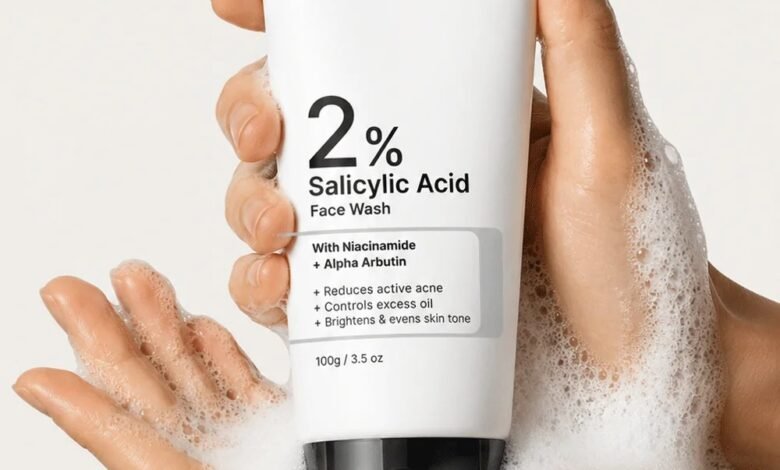
Salicylic acid face wash is a popular skincare choice for people dealing with excess oil, clogged pores, blackheads, whiteheads, and acne-prone skin. As a beta hydroxy acid (BHA), salicylic acid helps exfoliate the skin and remove buildup from pores. However, using it too frequently or combining it with too many active ingredients can sometimes leave the skin feeling dry, tight, or irritated.
The good news is that you do not have to stop using salicylic acid to avoid dryness. With the right routine, frequency, and moisturizing steps, you can enjoy its cleansing and exfoliating benefits while maintaining a comfortable skin barrier.
What Is a Salicylic Acid Face Wash?
A salicylic acid face wash is a cleanser formulated with salicylic acid to help remove excess oil, dead skin cells, and impurities from the skin. Unlike a leave-on salicylic acid serum or treatment, a face wash is rinsed away after cleansing, making it a convenient option for people who want to include salicylic acid in their daily skincare routine.
Salicylic acid is oil-soluble, which means it can work effectively in oily areas and help loosen buildup inside pores. This makes it particularly useful for oily and combination skin types.
However, stronger or more frequent use may contribute to dryness, especially if your skin is already sensitive or dehydrated.
Start With the Right Frequency
One of the easiest ways to prevent dryness is to avoid using a salicylic acid face wash too often when your skin is not accustomed to it.
If you are a beginner, consider starting with once every other day or a few times per week. Pay attention to how your skin responds. If your skin remains comfortable without excessive tightness, redness, or flaking, you may gradually increase usage according to the product’s directions.
People with oily skin may tolerate more frequent cleansing, while dry or sensitive skin may need less frequent use.
Using more product or washing your face more often does not necessarily provide better results. Consistency is generally more useful than overuse.
Use Lukewarm Water
Water temperature can make a noticeable difference in how your skin feels after cleansing.
Very hot water can remove natural oils from the skin and may contribute to dryness and irritation. Instead, use lukewarm water when washing your face.
Begin by wetting your face with lukewarm water. Apply a small amount of salicylic acid face wash and gently massage it across your skin. Avoid aggressively scrubbing areas with acne or clogged pores.
After cleansing, rinse thoroughly and gently pat your face dry with a clean, soft towel.
Don’t Scrub Your Skin
A common mistake is thinking that acne-prone or oily skin needs aggressive physical scrubbing. Combining a salicylic acid cleanser with rough scrubbing can increase irritation and make the skin feel uncomfortable.
Your cleanser is already doing the job of removing dirt, excess oil, and impurities. Use your fingertips and gentle circular movements instead of brushes, rough washcloths, or abrasive scrubs.
Be especially gentle around sensitive areas such as the sides of the nose and underneath the eyes.
Don’t Leave the Face Wash on Too Long
A salicylic acid face wash is designed to cleanse the skin and then be rinsed away. Leaving it on your face for an extended period is not automatically going to make it more effective.
Follow the instructions provided with your specific product. Generally, gently massaging the cleanser over the face and rinsing it properly is sufficient.
If your skin starts feeling unusually tight immediately after washing, consider reducing your frequency or reviewing the rest of your skincare routine.
Moisturize Immediately After Cleansing
One of the most important steps for preventing dryness is applying moisturizer after cleansing.
After washing your face, gently pat it dry and apply a suitable moisturizer while the skin is still slightly hydrated. Look for formulas designed to support the skin barrier and provide comfortable hydration.
Ingredients such as ceramides, glycerin, hyaluronic acid, and squalane are commonly found in moisturizing products.
Even oily and acne-prone skin can benefit from moisturizer. Skipping moisturizer because your skin produces oil may leave your skin feeling dehydrated and uncomfortable.
Choose a lightweight, non-comedogenic moisturizer if you are concerned about clogged pores.
Avoid Using Too Many Active Ingredients
Dryness can become more noticeable when several exfoliating or acne-focused ingredients are used together.
For example, using a salicylic acid face wash alongside strong exfoliating acids, retinoids, benzoyl peroxide, or abrasive scrubs may be too much for some skin types.
This does not mean these ingredients can never be part of the same skincare routine. Instead, introduce active products carefully and consider alternating them rather than immediately using everything together.
A simple routine is often easier for your skin to tolerate.
Choose a Suitable Salicylic Acid Face Wash
Not every salicylic acid cleanser will feel the same on your skin. Look for a product that suits your skin type and follow its usage instructions.
If you have oily or combination skin, you may prefer a cleanser that removes excess oil without leaving your face feeling stripped.
If your skin is dry or sensitive, consider a gentler formula and use it less frequently. A cleanser containing moisturizing or soothing ingredients may also provide a more comfortable experience.
The goal is to clean the skin without creating unnecessary dryness.
Don’t Forget Sunscreen
Daily sunscreen is an important part of a complete skincare routine. Apply a broad-spectrum sunscreen during the day, particularly when using products designed to exfoliate the skin.
Choose a sunscreen that moisturizer feels comfortable and works with your skin type. People with oily or acne-prone skin may prefer lightweight, non-comedogenic formulas.
Using sunscreen consistently also helps protect the skin from environmental exposure that can contribute to uneven-looking skin tone and visible signs of skin damage.
Signs You May Be Overusing It
Your skin can provide useful clues when a product is being used too frequently.
Possible signs of overuse include:
- Persistent dryness
- Excessive tightness
- Flaking or peeling
- Increased sensitivity
- Redness or discomfort
- Stinging when applying skincare products
If these symptoms appear, consider reducing how often you use the salicylic acid face wash. Simplifying your routine and focusing on gentle cleansing and moisturizing can help your skin feel more comfortable.
If irritation is severe, persistent, or worsening, stop using the product and consider speaking with a dermatologist.
A Simple Routine for Using Salicylic Acid Face Wash
A straightforward routine can make salicylic acid easier to incorporate into your skincare regimen.
Morning:
- Cleanse gently according to your skin’s needs.
- Apply moisturizer.
- Finish with broad-spectrum sunscreen.
Evening:
- Wet your face with lukewarm water.
- Apply a small amount of salicylic acid face wash.
- Massage gently without scrubbing.
- Rinse thoroughly.
- Pat your face dry.
- Apply a hydrating moisturizer.
If your skin is sensitive or becomes dry easily, start by using the salicylic acid cleanser only a few times per week.
Final Thoughts
A salicylic acid face wash can be a useful addition to a skincare routine, particularly for people concerned about excess oil, clogged pores, and acne-prone skin. The key to using it without dryness is moderation.
Start slowly, avoid aggressive scrubbing, use lukewarm water, moisturize after cleansing, and be careful when combining salicylic acid with other active ingredients. Most importantly, pay attention to how your skin responds rather than assuming that more frequent use will produce better results.