When Your Hair Starts Changing: A Practical Guide to Understanding Thinning and Regrowth in Oakland

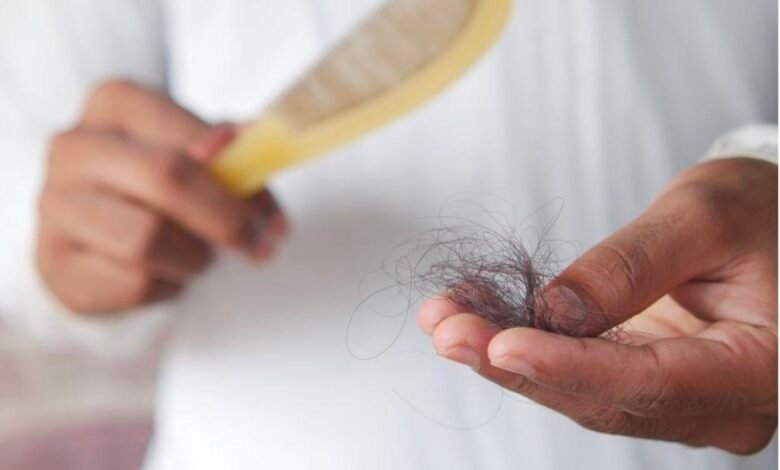
For Oakland residents, noticing more hair in the shower drain or a widening part can raise uncomfortable questions. Is it stress, aging, genetics, or something happening beneath the scalp? With busy work schedules, changing routines, and countless haircare products competing for attention, identifying the real cause can feel overwhelming.
Hair loss affects people of different ages and backgrounds, and it doesn’t always follow a predictable pattern. Some individuals experience gradual thinning over several years, while others notice sudden shedding after illness, childbirth, or significant stress.
Understanding these differences is the first step toward finding an appropriate solution. Rather than immediately purchasing expensive products or assuming permanent baldness is inevitable, it helps to understand what hair follicles need, why shedding happens, and which treatments have meaningful evidence behind them.
Why Identifying the Cause Matters More Than Buying Products
Hair loss is a symptom with several possible explanations, not a single condition that responds to one universal treatment.
Genetics, hormonal changes, nutritional deficiencies, certain medications, autoimmune disorders, and scalp inflammation can all influence hair growth.
For Oakland residents researching hair restoration in Oakland, understanding the underlying cause is especially important before choosing between topical medications, injectable procedures, or other professional treatments.
A qualified dermatologist may examine the scalp, review medical history, and recommend blood tests when symptoms suggest an underlying medical issue.
The pattern of thinning also provides clues. Gradual recession or widening of the part may indicate hereditary hair loss, while sudden widespread shedding can occur after physical or emotional stress.
Treatments that help one condition may accomplish little for another.
Accurate diagnosis therefore protects both your health and your budget by directing attention toward options suited to your specific circumstances.
The Hair Growth Cycle Explains Why Shedding Happens
Hair grows through a repeating cycle involving active growth, transition, resting, and shedding.
Most scalp follicles are normally in the growth phase, which can continue for several years.
However, illness, major surgery, rapid weight changes, childbirth, or significant stress can shift more follicles into the resting phase.
This condition, known as telogen effluvium, often produces noticeable shedding several months after the triggering event.
Although it can be alarming, many cases improve once the underlying cause resolves.
Hereditary hair loss behaves differently. In androgenetic alopecia, susceptible follicles gradually produce finer, shorter hairs.
Recognizing these distinctions helps explain why one person’s hair may recover naturally while another requires ongoing treatment.
Because hair grows slowly, visible improvement usually takes months rather than days.
Understand What PRF Treatments Can and Cannot Do
Regenerative aesthetics has introduced new approaches to managing certain forms of hair thinning.
Platelet-rich fibrin, or PRF, is prepared from a patient’s own blood and contains platelets and other components involved in tissue signaling.
During treatment, a clinician collects blood, processes it using specialized equipment, and injects the resulting preparation into selected scalp areas.
The intention is to support follicular activity through naturally occurring growth factors.
However, evidence supporting PRF specifically for hair restoration remains limited, and treatment protocols vary.
Research involving related platelet-rich plasma treatments is more extensive, particularly for androgenetic alopecia, but results are inconsistent.
Neither approach guarantees regrowth, and neither can reliably restore follicles permanently destroyed by scarring conditions.
Patients should discuss expected benefits, costs, discomfort, infection risks, and the possible need for repeated sessions before proceeding.
Look at Scalp Health Before Changing Your Hairstyle
A healthy scalp provides an important environment for normal hair growth.
Persistent itching, redness, flaking, tenderness, or inflammation may indicate conditions requiring medical attention.
Dandruff, psoriasis, fungal infections, and certain inflammatory disorders can affect scalp comfort and sometimes contribute to hair problems.
Aggressive scratching or using irritating products may make symptoms worse.
Gentle cleansing and appropriate treatment can help manage many common scalp concerns.
However, sudden patchy loss, painful inflammation, or areas developing a shiny, scarred appearance deserve prompt professional evaluation.
Some forms of scarring alopecia can cause irreversible follicle damage if treatment is delayed.
Changing shampoos alone will not address every scalp disorder.
A diagnosis matters more than finding a product marketed as a universal solution.
Consider How Nutrition and Lifestyle Influence Hair Growth
Hair follicles depend on adequate nutrition to support their normal growth cycle.
Protein, iron, zinc, and other essential nutrients contribute to processes involved in maintaining healthy hair.
Restrictive dieting, significant weight loss, and certain nutritional deficiencies may increase shedding in susceptible individuals.
However, taking large doses of supplements without identifying a deficiency is unlikely to solve hereditary hair loss.
Some supplements can even cause harm when consumed excessively.
A balanced diet containing varied protein sources, vegetables, fruits, whole grains, and healthy fats provides a practical foundation.
Sleep and stress management also deserve attention because major physical or emotional stressors can influence hair cycling.
These habits support overall health, but they cannot reverse every type of hair loss.
If shedding persists, medical evaluation is more useful than repeatedly experimenting with vitamins or restrictive diets.
Compare Proven Treatments With Emerging Alternatives
Hair restoration involves several approaches, and their effectiveness depends on the diagnosis.
Topical minoxidil is an established option for certain forms of pattern hair loss. It may help maintain or improve hair density, although continued use is generally necessary to preserve benefits.
Prescription medications such as finasteride may be appropriate for selected patients, following a discussion of potential risks and contraindications.
Hair transplantation offers another possibility for suitable candidates with stable donor hair.
Meanwhile, PRF injections, low-level light devices, and other emerging treatments attract interest, but supporting evidence and expected outcomes differ.
Combining treatments may sometimes be appropriate under medical supervision.
Before choosing any procedure, ask whether the proposed approach has evidence for your specific diagnosis.
A realistic treatment plan should explain what improvement is possible, how long results may take, and what ongoing maintenance involves.
Protect Fragile Hair While Exploring Treatment Options
Not every improvement requires a medical procedure.
Everyday styling practices can influence breakage, especially when hair is already fragile.
Repeated tight hairstyles may place excessive tension on follicles, potentially contributing to traction alopecia.
Frequent heat styling, harsh chemical processing, and aggressive brushing can also damage hair shafts.
Choose comfortable hairstyles, use heat tools cautiously, and avoid repeatedly pulling hair tightly against the scalp.
Conditioning products may help reduce friction and improve manageability, although they cannot reactivate inactive follicles.
For people experiencing visible thinning, cosmetic fibers, strategic haircuts, and appropriate hairpieces can provide immediate appearance-related options.
These approaches do not treat underlying medical causes, but they may improve comfort and confidence while longer-term treatments are evaluated.
Haircare should protect existing strands without creating additional stress.
Build a Long-Term Plan Instead of Chasing Quick Fixes
Hair restoration requires patience because visible changes develop gradually.
Photographs taken under consistent lighting can help track progress more reliably than daily mirror inspections.
A treatment journal may also document shedding patterns, scalp symptoms, medication changes, and professional recommendations.
Avoid switching treatments every few weeks simply because immediate regrowth hasn’t appeared.
Some established therapies require several months before their effectiveness can be reasonably assessed.
Regular follow-up appointments allow clinicians to evaluate progress, manage side effects, and adjust treatment when necessary.
For Oakland residents, the most useful starting point is a clear diagnosis followed by a plan that fits personal health needs, expectations, and financial circumstances.
Hair loss can affect confidence, but it does not define personal worth.
Whether the solution involves medical treatment, gentler styling, or accepting natural changes, informed decisions offer a more dependable path than miracle products and unrealistic promises.
The goal is not necessarily to recover every strand. It is to understand your options and make choices that support long-term scalp health and personal confidence.