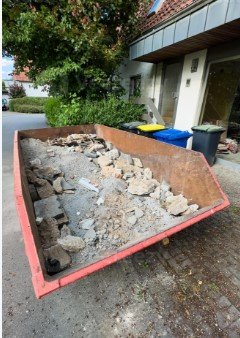
Home additions create a different cleanup challenge than many interior remodeling projects. Contractors may be opening exterior walls, removing roofing or siding, excavating around foundations, framing new rooms, extending mechanical systems, and tying new construction into an occupied home. That combination can produce several types of debris across multiple phases of work.
Without a clear waste plan, materials can accumulate around the house, interfere with equipment, block deliveries, and create extra labor for crews. Contractors who plan debris removal alongside the construction sequence can keep the site more organized from demolition through final finishes. The goal is to give each phase enough working room without allowing waste from the previous phase to become an obstacle.
Start With the Full Addition Scope
Before demolition begins, contractors should identify every part of the existing structure that will be disturbed. A side addition may require removing siding, windows, roofing, exterior sheathing, concrete, landscaping, or sections of a deck or patio.
A more extensive project, such as building a second story addition, can involve roof removal, framing changes, interior access work, insulation, drywall, and significant amounts of temporary protection.
Understanding the entire scope helps contractors anticipate when debris volume will be highest and which materials may require separate handling.
Establish Dumpster Placement Before Site Setup
Dumpster placement should be planned before trailers, material stacks, temporary fencing, and equipment occupy the property. A location that looks convenient during the first walkthrough may become difficult to use once construction is fully underway.
Working with Waste Removal USA can help contractors coordinate dumpster placement and service around residential addition projects. The location should provide a practical path from the work area while preserving space for deliveries, equipment, and household access.
Placement should support the project as a whole rather than only the demolition phase.
Protect Access to the Existing Home
Many home additions are completed while the homeowners continue living on the property. Contractors therefore need to separate construction debris from normal entrances, driveways, garages, and walkways whenever possible.
The homeowner should have a clearly defined route into and out of the house. Debris, tools, extension cords, packaging, and removed materials should not gradually expand into that area.
Maintaining household access can also reduce the chance that family members need to cross active construction zones.
Create a Direct Debris Route
Crews should know how removed materials will travel from the addition to the dumpster. That route may pass along one side of the house, through a driveway, or across a designated section of the yard.
Keeping one main debris path open reduces unnecessary movement. Workers should not have to carry materials around pallets, parked vehicles, equipment, or new building supplies.
A clear route also discourages crews from creating temporary piles simply because the dumpster is inconvenient to reach.
Manage Early Demolition Debris Quickly
The first major debris surge usually occurs when the existing structure is opened. Siding, roofing, sheathing, windows, drywall, insulation, trim, and framing materials may come out rapidly.
Contractors should keep this debris moving as demolition progresses. Allowing it to pile beside the house can reduce working room and make the site harder to prepare for excavation or new framing.
Removing old materials promptly also gives supervisors a clearer view of existing structural conditions that may affect the addition.
Plan Separately for Concrete and Masonry
Some additions require removing patios, walkways, foundation sections, steps, brick, or other heavy materials. These debris types should be considered separately from general construction waste.
Concrete and masonry can add substantial weight long before a dumpster appears full. Contractors should avoid assuming that remaining container volume automatically means more heavy material can be loaded.
Identifying dense debris before demolition helps prevent overloading and allows the disposal plan to match the actual materials being removed.
Coordinate Waste with Excavation Work
Foundation construction can create soil, old concrete, roots, landscaping materials, and other excavation debris. Not all of that material should necessarily leave the property.
Some clean soil may be useful for grading or backfill later. Contractors should determine what can be reused before treating everything from excavation as waste.
Reducing unnecessary hauling can save labor while preserving material that may be needed during site restoration.
Separate Salvageable Materials Early
Addition projects sometimes involve removing windows, doors, fixtures, framing lumber, brick, or architectural components that the homeowner wants to reuse.
These items should be identified before demolition begins. Once salvageable materials are mixed with general construction debris, recovering them becomes much more difficult.
A small designated salvage area can keep reusable items protected without interfering with the main work zone.
Keep New Materials Away from Waste
As framing begins, the site may receive lumber, sheathing, roofing, windows, doors, insulation, and other building products. These materials need clean staging space.
Contractors should avoid placing new supplies beside debris piles or along the primary route to the dumpster. Incoming and outgoing materials should move through separate areas when possible.
A clean staging plan reduces double handling and helps protect new materials from damage.
Clean Up During the Framing Phase
Framing produces a steady supply of lumber cutoffs, sheathing scraps, fasteners, packaging, and damaged material. These pieces can spread quickly through a partially enclosed addition.
Crews should remove scraps regularly instead of waiting until framing is complete. Keeping floors and access points clear makes layout work easier and creates better conditions for the mechanical trades that follow.
Daily cleanup is particularly useful once ladders, scaffolding, and multiple crews begin sharing the same space.
Coordinate Cleanup with Mechanical Trades
Plumbing, electrical, and HVAC work can generate pipe cutoffs, wire, duct scraps, packaging, insulation, and additional wall or floor debris.
These trades often need access to framing cavities, crawlspaces, basements, and existing parts of the home. Construction debris should not block those routes.
Contractors should establish expectations for each trade so waste from rough-in work is removed regularly rather than left for another crew.
Prepare the Site Before Inspections
Home additions commonly require several inspections at different stages. Inspectors may need access to foundations, framing, electrical work, plumbing, mechanical systems, and insulation.
Cleanup should be part of inspection preparation. Loose debris, material stacks, and packaging should be removed from the areas being reviewed.
A clean work zone also makes it easier for the contractor to identify unfinished items before the inspector arrives.
Expect Another Waste Increase During Drywall
Drywall and interior finishing create another significant debris phase. Cutoffs, broken sheets, compound containers, corner bead, trim scraps, flooring packaging, and other materials may accumulate rapidly.
If the dumpster is already near capacity from earlier construction, service should be scheduled before drywall and finish work begin.
Keeping disposal space available prevents interior scraps from being piled in rooms that are approaching completion.
Protect Finished Areas as Work Progresses
As the addition moves toward completion, the amount of unfinished space decreases. New flooring, cabinets, doors, trim, fixtures, and painted surfaces need protection.
Debris routes may have to change so workers are not carrying construction waste through completed areas. Contractors should periodically review whether the original route still makes sense.
The waste plan should become more controlled as the project transitions from rough construction to finishes.
Monitor Capacity Instead of Waiting for Overflow
Addition projects generate waste in waves rather than at a steady rate. Demolition may fill a container quickly, while framing produces debris more gradually. Drywall and exterior work can create another surge later.
Contractors should monitor capacity throughout each phase and schedule service before the dumpster becomes unusable.
Once overflow piles form, crews end up handling the same debris again after the container is replaced.
Keep the Service Route Clear
Residential addition sites can become crowded with contractor trucks, trailers, pallets, lifts, and delivered materials. Those same areas may be needed when the dumpster is removed or replaced.
The service route should be protected throughout the job. Crews should know not to park or stage materials where pickup equipment needs to operate.
Before scheduled service, the superintendent or lead contractor should confirm that access is clear.
Include Exterior Restoration in the Waste Plan
The construction debris does not end when the addition itself is finished. Exterior restoration may involve removing temporary walkways, damaged sod, old fencing, excess soil, landscaping debris, packaging, and leftover building materials.
Contractors should keep enough disposal capacity available for this final phase.
Removing the dumpster immediately after interior construction may leave crews without a practical option for site restoration waste.
Perform a Detailed Final Cleanup
Before the project is turned back over to the homeowner, contractors should inspect the entire work area, not just the new rooms.
Check the driveway, side yards, landscaping, foundation perimeter, access routes, and material staging areas. Nails, wood scraps, metal pieces, packaging, siding fragments, and other small debris can remain even after the major waste is gone.
Final pickup should occur after these areas have been cleared.
Avoid Common Addition Cleanup Mistakes
One common mistake is planning waste removal only around demolition. Another is allowing new materials and old debris to compete for the same staging space.
Contractors should also avoid blocking the dumpster with deliveries, mixing heavy masonry with lightweight debris without considering capacity, or removing the container before exterior restoration is complete.
The most effective approach is to coordinate waste removal with each construction phase.
Managing construction debris during home addition projects requires more than placing a dumpster beside the house. The waste stream changes as demolition, excavation, framing, rough-ins, drywall, finishes, and exterior restoration move forward.
By planning placement early, maintaining clear debris routes, separating heavy and reusable materials, protecting household access, monitoring capacity, and scheduling cleanup around major project transitions, contractors can keep the site more functional. A strong debris plan helps each phase of the addition start with the space it needs instead of inheriting clutter from the work that came before.