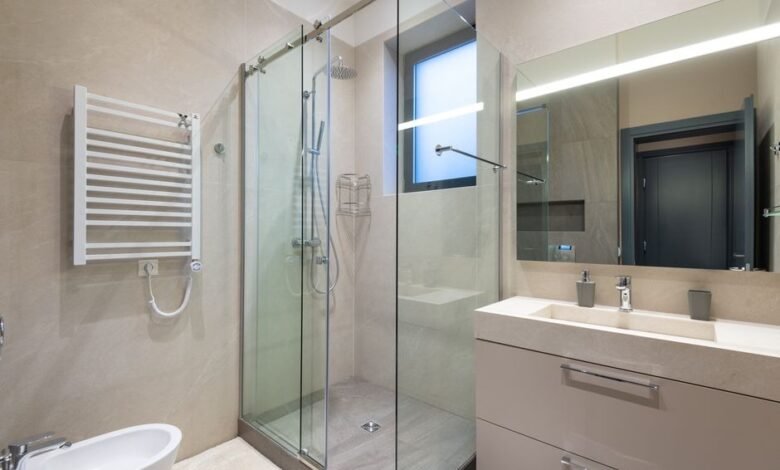
Bathrooms are small rooms with costly consequences. A gorgeous shower cannot compensate for poor drainage, inadequate storage, or a layout that disrupts mornings. In New Orleans, humid conditions and older housing can make moisture management and hidden repairs especially important. The smartest remodel begins before demolition, with an honest assessment of how the room functions, what might be lurking behind its finishes, and which improvements are genuinely worth paying for. Good preparation also makes conversations with contractors clearer and keeps avoidable surprises from derailing the entire renovation project.
Let Everyday Frustrations Shape the Plan
Before browsing tiles, notice what bothers you about the bathroom. Perhaps the vanity offers little counter space, towels have nowhere to dry, or two people cannot move comfortably around the sink. These daily annoyances should influence your design more than a photograph of another renovation.
Older homes often come with unique bathroom layouts, aging plumbing, and moisture-related challenges that require careful planning. Hiring a New Orleans bathroom remodeling company can help homeowners address these issues while creating a more functional and comfortable space. Experienced professionals can assess the condition of existing fixtures, identify hidden damage, and recommend improvements that fit the home’s layout and budget.
Expect the Walls to Have Secrets
Demolition can reveal deteriorated subfloors, corrosion, unsafe wiring, or previous repairs left unfinished. This does not mean every older bathroom hides a disaster. It means pricing a renovation as though nothing unexpected could happen is risky.
Before work begins, ask the contractor what the quote covers if damaged materials are discovered. Establish how changes will be documented and approved. Keep a contingency amount separate from the money reserved for finishes, and avoid committing every dollar to decorative upgrades.
Permits also deserve early attention. Work involving plumbing, wiring, or structural changes may require approvals depending on the project. Confirm the requirements rather than relying on assumptions.
Treat Ventilation as Part of the Design
Steam needs somewhere to go. Without effective ventilation, moisture can linger on painted walls, cabinetry, and other surfaces after showering. An attractive finish will not stay attractive if dampness repeatedly finds its way behind it.
The information on moisture and mold growth explains why controlling indoor moisture helps protect building materials. A bathroom exhaust fan should be appropriately sized and vented outdoors, not into an attic or concealed wall space. Its location and noise level also influence whether people actually use it.
Discuss ventilation before choosing ceiling details or lighting. It is easier to integrate the duct route and electrical controls into the plan than to improvise them after finishes are installed.
Keep the Budget Focused on What Matters
Renovation costs rarely grow through one spectacular decision. More often, dozens of small upgrades quietly consume the contingency: a different faucet, premium grout, extra electrical work, or fixtures ordered before their dimensions are checked.
Start by separating necessary work from optional enhancements. Waterproofing, safe electrical installation, and repairs to damaged surfaces should take priority over fashionable hardware. Next, decide which comforts matter most to your routine. Maybe better lighting is essential, while heated flooring can wait.
Request an itemized estimate and learn which allowances cover fixtures and finishes. A low initial quote may exclude tasks another contractor has included. Compare the actual scope of work before deciding which offer is the better value.
Give Waterproofing the Attention It Deserves
Bathrooms contain repeated splashes, condensation, and occasional plumbing leaks. Tile and grout are not substitutes for a properly designed waterproofing system. The materials beneath a shower surface, and the way corners and penetrations are detailed, affect whether water stays where it belongs.
Ask what waterproofing method will be installed, how the shower base will drain, and what inspection or testing is planned before the tile goes on. Do not assume that adding more sealant later can correct hidden installation mistakes.
The guidance on improving indoor air quality discusses moisture control and ventilation as important measures. Durable finishes matter, but keeping water out of vulnerable assemblies matters far more.
Design Storage for Real People
An empty countertop looks wonderful in photographs. Real bathrooms contain toothbrushes, towels, hair tools, cleaning supplies, and forgotten bottles. Storage should account for that reality.
Drawers can make everyday items easier to reach than deep cabinets. Recessed shelving may help in a shower if it can be integrated without compromising waterproofing. Hooks near the bathing area often prove more useful than an elaborate shelf across the room.
Measure what needs storing before ordering cabinetry. Leave sensible clearances around doors and fixtures, and avoid assuming an oversized vanity will improve a compact floor plan.
Think About Safety Without Sacrificing Style
Wet floors, poor lighting, and cramped movement affect how comfortable a bathroom feels. Choose flooring with suitable slip resistance, provide effective task lighting near mirrors, and consider how someone will enter and exit the shower.
If household needs may change, discuss reinforced walls for future grab bars, accessible controls, and whether a lower shower threshold is feasible. These decisions are easier while the room is open than after tile and drywall are complete.
Accessibility need not dictate the appearance of fixtures. A well-designed space can be attractive, practical, and easier for people of different ages and abilities to use.
Make Decisions Before Demolition Starts
The best time to resolve disagreements about layout, materials, and budgets is before the old bathroom disappears. Confirm measurements, lead times, payment stages, and who will handle unexpected repairs. Order critical fixtures and verify they fit the plan.
Once work begins, keep communication simple and document changes in writing. Ask questions when a detail seems unclear, especially where plumbing, waterproofing, or safety is involved.
A successful remodel is not the one with the most dramatic reveal. It is the room that feels comfortable on an ordinary morning, stays easier to maintain, and continues working well after the novelty wears off.