Anette Qviberg’s Design Career? The Creative Life Behind Dolph Lundgren’s Former Wife

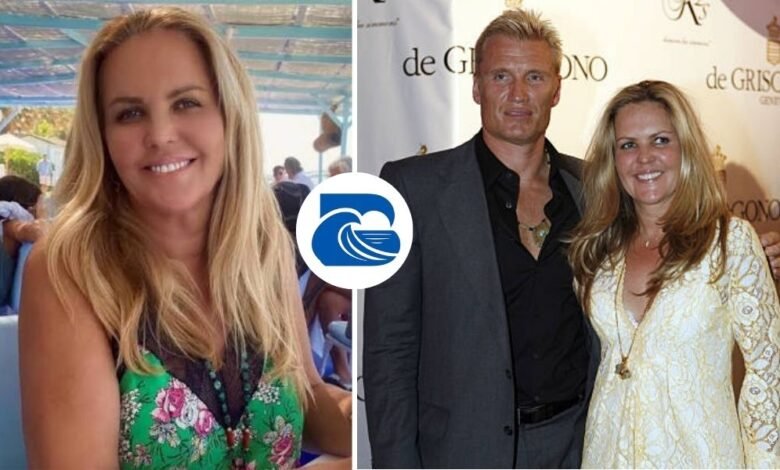
Anette Qviberg is often introduced through one famous name: Dolph Lundgren. That is easy to understand. Lundgren is known around the world for action films, strong roles, and his long career in Hollywood. But this simple label does not tell the full story. Anette Qviberg has her own creative life. She has been described as a jewelry designer, fashion stylist, and interior designer. That makes her more than a former celebrity wife.
It makes her a creative person whose work is linked to style, taste, detail, and home design. Public reports say she married Dolph Lundgren in 1994 and shares two daughters with him, Ida and Greta. Reports also say she kept a very private life during and after the marriage. That privacy may be one reason many people know her name but do not know much about her work.
A Different Way to Look at Anette Qviberg
Many online stories about Anette Qviberg begin with her marriage. They ask who she is because of Dolph Lundgren. But a better question is this: what kind of creative path did she build for herself? Design is not one single job. It can include clothes, rooms, colors, jewelry, shapes, and small choices that change how people feel. Anette’s public image connects to more than one kind of design.
She has been linked to fashion styling, jewelry design, and interior design. These are all creative fields, but each one needs a different eye. A stylist thinks about how a person looks. A jewelry designer thinks about small pieces that can carry beauty and meaning. An interior designer thinks about how a room works and feels. Together, these roles show a person who understands style in many forms.
The Creative Work Behind the Public Label
It is common for a woman connected to a famous actor to be reduced to a relationship label. This happens often in celebrity media. A wife, former wife, or partner can become a side note in the man’s story. That is why the Anette Qviberg story is more interesting when it starts with her creative career. Her work has been described in fields that need skill and patience.
Fashion styling is not only about picking nice clothes. It is about reading mood, body shape, event type, color, and image. Jewelry design is not only about pretty items. It is about balance, material, size, and detail. Interior design is not only about decoration. It is about space, light, comfort, and how people use a home. These are real creative skills, even when the public does not see every project.
From Fashion Styling to Personal Image
Fashion styling is a quiet but powerful job. A stylist helps shape how a person is seen. This can be for an event, a photo shoot, a public moment, or daily life. The work may look simple from the outside, but it needs clear thinking. The stylist must know what fits the person, the place, and the message. If an outfit is too loud, it may take over the person.
If it is too plain, it may feel weak. A good stylist finds the right middle point. This matters in public life because clothes can speak before a person says a word. When Anette Qviberg is described as a fashion stylist, it suggests that she worked in a field where taste and judgment matter. It also shows that she understood image from a creative point of view, not just a celebrity point of view.
Jewelry Design and the Power of Small Details
Jewelry design is another field linked to Anette Qviberg. This kind of design is small in size but big in impact. A ring, bracelet, necklace, or pair of earrings can change a full look. Jewelry can be simple, bold, soft, classic, modern, or personal. It can mark a memory. It can show style without using many words. That is why jewelry design needs a sharp eye.
The designer must think about shape, weight, shine, color, and comfort. A piece may look beautiful, but it also has to sit well on the body. It has to feel right when worn. This work is not always seen by a wide public, especially if the designer does not seek fame. But it still holds value. In Anette’s case, this part of her story helps move her image away from only being Dolph Lundgren’s former wife.
Interior Design and the Meaning of Home
AmoMama reports that Anette Qviberg’s Instagram bio has identified her as an interior designer. That detail is important because interior design connects strongly to home life. A room is not only four walls. It can affect peace, energy, work, rest, and family time. Good interior design makes a place useful and warm.
It can make a home feel calm, bright, open, safe, or elegant. This kind of work also fits with the private side of Anette’s public image. She has not built her name on loud fame. Interior design is often about making beauty inside a space, not standing in front of a camera. It is a fitting field for someone who seems to value privacy and a steady personal life.
Why Her Career Gets Less Attention
There is a clear reason Anette Qviberg’s creative work gets less attention than her marriage. Dolph Lundgren is a global film name. He became famous for playing Ivan Drago in Rocky IV. That role made him a strong face in action film history. When someone is linked to a star that large, search engines and celebrity sites often follow the bigger name. This can make the other person’s own work look smaller, even when it is meaningful.
Anette’s design career does not have the same public record as a film career. Movies are easy to list. Roles, posters, and interviews are easy to find. Design work can be more private. Some projects may be for homes or personal clients. Some may not be widely published. So the public record becomes uneven. The actor’s fame becomes loud, while the designer’s work stays quiet.
A Private Life in a Public Family
Anette Qviberg lived close to fame, but she did not seem to chase it in the same way many celebrity-connected people do. Reports say she kept out of the public eye while married and continued to live privately after the split. That makes her story different from many modern celebrity stories. Today, many people turn a famous link into a brand.
They may use reality shows, podcasts, paid posts, interviews, or public drama. Anette did not become known that way. Her life shows another path. A person can be close to fame and still choose a lower profile. That choice may limit public attention, but it can also protect peace. For a designer, privacy can also help keep focus on work and family instead of gossip.
Marriage, Family, and a Life in Europe
Anette Qviberg and Dolph Lundgren married in 1994. They had two daughters, Ida and Greta. People reports that Ida was born in 1996 and Greta was born in 2001. The family lived in Europe for much of the girls’ childhood. People also reports that Lundgren once said his priority during a 10-year period in Europe was to raise his children outside New York and Hollywood.
That detail matters because it gives more shape to Anette’s family story. This was not only a Hollywood marriage. It was also a family life built away from the main film center. The family lived in places such as Marbella, Spain. For children of a famous actor, that distance may have helped create a more normal home life.
The Marbella Chapter
Marbella is often linked to Anette Qviberg’s public story. It was part of the family’s life during the marriage. This setting adds another layer to her design image. Marbella is known for homes, light, sea views, and a mix of local and international style. While it would not be safe to invent details about Anette’s own design projects there, it is fair to say that living in such a place can shape a person’s eye for space and beauty.
A designer notices things others may miss. Light through a window. The color of walls. The flow of a room. The feeling of outdoor and indoor space. Anette’s connection to interior design makes the Marbella chapter feel more than a simple location. It becomes part of a wider story about style, home, and private family life.
Life After the Split
Anette Qviberg and Dolph Lundgren later went their separate ways. Public reports say they divorced in 2011 after many years of marriage. But the story did not become a loud public fight. AmoMama reports that they remained friends after the split and even took vacations together. This point is useful because it shows maturity in a celebrity family story.
Divorce is often written as a battle. In this case, the public story is more calm. They still shared two daughters, and their family connection did not end just because the marriage ended. For Anette, this also means her identity after divorce did not need to be built on conflict. She could keep moving forward as a mother, a private person, and a designer.
Her Daughters and a Creative Family Line
Anette’s daughters, Ida and Greta, also connect to creative work. People reports that Ida has worked as a model and actress, while Greta has shown interest in modeling and photography. This does not mean their paths came only from their mother or father. Children build their own lives. But it is interesting that both daughters are linked to creative fields.
Their father is known for film and action roles. Their mother is linked to design and style. So the family story includes more than fame. It includes image, art, performance, visual work, and personal expression. This gives Anette’s creative role more weight. She was not only standing next to a film star. She was part of a family where creativity appeared in more than one form.
Why This Story Matters in Celebrity Media
The story of Anette Qviberg matters because it shows a common problem in celebrity writing. Many articles describe women by who they married. Their own work becomes a small line. Their skills become background details. Their privacy is treated like a lack of story. But privacy can be a story. Work can be a story. Taste, design, parenting, and calm choices can be a story too.
Anette’s public record may not include a long list of interviews or business claims. That means writers should be careful. They should not invent big projects, fake net worth numbers, or secret career details. But they can still give her a fuller profile by looking closely at what is known. She is linked to design. She helped raise two daughters. She lived outside the main Hollywood world. She kept a private life. These facts create a real and useful article without fake drama.
The Value of a Creative Identity
Creative identity does not always need fame to be real. Some designers become public names. Others work in quieter ways. Their value is seen in taste, detail, and the spaces or looks they help create. Anette Qviberg’s story reminds readers that not every important life is lived on a red carpet. Some lives are built through family, work, privacy, and small choices.
Her link to Dolph Lundgren will always be part of why people search her name. But it should not be the only part. She can be viewed as a designer, a stylist, a mother, and a woman who stayed mostly outside the celebrity machine. That view gives the story more balance. It also makes the article more respectful.
Final Thoughts
Anette Qviberg’s design career gives readers a better way to understand her. She is not only Dolph Lundgren’s former wife. Public reports connect her to jewelry design, fashion styling, and interior design. Those fields all need skill, care, and a strong eye for detail. Her life also shows the power of privacy.
She lived near fame but did not turn every part of her life into public content. That makes her story different. It is quieter, but it is not empty. It is a story about creative work, family life, and personal choice. In a media world that often turns people into simple labels, Anette Qviberg’s story works best when it is told with care. Her design path may be less famous than Dolph Lundgren’s film career, but it still deserves attention as part of her own identity.