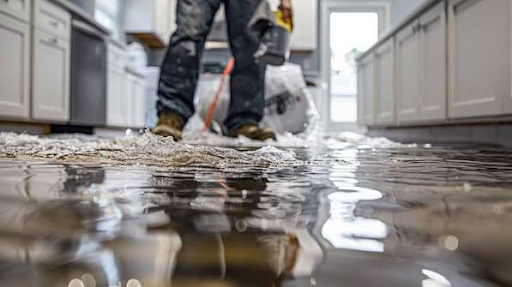
A burst pipe at 2 a.m. doesn’t wait for business hours, and neither does Tennessee Water and Fire. Water finds its way into places you’d never expect—behind drywall, under flooring, inside insulation—and the longer it sits, the more damage it causes. That’s why homeowners and business owners across Tennessee turn to a team that understands urgency isn’t a buzzword. It’s the difference between a quick fix and a six-figure renovation.
Whether the culprit is a failed water heater, a flooded basement after a storm, or a slow leak that went unnoticed for weeks, the outcome is the same if left untreated: mold growth, structural weakening, and a home that no longer feels safe. Tennessee Water and Fire built its reputation on showing up quickly, assessing the damage accurately, and restoring properties with a level of care that treats every job like it’s personal.
This post walks through what actually happens when water invades a property, why fast action matters more than most people realize, and how Tennessee Water and Fire approaches every project from the first phone call to the final walkthrough.
Why Does Water Damage Spread So Quickly?
Water doesn’t stay put. It follows gravity, seeps into porous materials, and wicks upward through drywall and wood framing in a matter of hours. A small leak that seems manageable on day one can become a mold colony by day three. Humidity levels spike, wood swells and warps, and electrical systems become genuine safety hazards.
Tennessee’s climate doesn’t do homeowners any favors either. Humid summers and heavy spring rains create the perfect environment for moisture to linger long after the initial event. Once water soaks into subflooring or insulation, it rarely dries out on its own. Professional-grade drying equipment and moisture detection tools are often the only way to catch what’s hiding beneath the surface.
This is precisely why speed matters so much. The first 24 to 48 hours after water exposure determine whether a property can be fully restored or whether contaminated materials need to be removed and replaced entirely.
What Should You Do in the First Hour After Discovering Water Damage?
The first hour sets the tone for the entire restoration process. Shutting off the water source, if possible, prevents the situation from worsening. Electrical panels should be powered down in any flooded area before anyone walks through standing water. Photos of the damage, taken before anything is moved or cleaned, help document the loss for insurance purposes.
After safety steps are handled, calling a restoration professional should happen immediately. Tennessee Water and Fire operates with rapid response times because every hour of delay increases the risk of secondary damage. Their technicians arrive equipped to assess the full scope of the problem, not just the visible puddles on the surface.
How Does Tennessee Water and Fire Handle a Restoration Project?
Every project follows a structured process designed to remove moisture completely and restore the property to its original condition, or better. It starts with a thorough inspection using moisture meters and thermal imaging to locate water that isn’t visible to the naked eye. From there, the extraction phase begins, pulling standing water out using industrial pumps and vacuums.
Once the bulk of the water is gone, industrial-grade air movers and dehumidifiers go to work drying out structural materials. This stage often takes several days, and technicians monitor moisture levels continuously to confirm materials have returned to a safe, stable condition. Skipping this step, or rushing through it, is one of the most common reasons mold problems resurface months later.
The final stage involves cleaning, sanitizing, and repairing any materials that were damaged beyond saving. Drywall, flooring, and cabinetry that absorbed too much water typically need replacement, while structurally sound materials get treated and restored. Tennessee Water and Fire handles this entire process under one roof, which means property owners aren’t left coordinating between separate demolition, drying, and repair crews.
What Makes Water Damage Different From Fire Damage Restoration?
Water and fire damage might seem like separate categories, but they often overlap. Firefighting efforts themselves introduce significant water into a property, which means fire damage restoration almost always includes a water mitigation component. Smoke and soot residue combined with lingering moisture create a uniquely difficult cleanup environment that requires specialized equipment and expertise.
Tennessee Water and Fire’s dual focus on both services means their technicians understand how these two types of damage interact. A property that survived a fire but now has saturated walls from firefighting hoses needs the same urgency and moisture control as a flooded basement. Addressing one without the other leaves the job half finished.
Why Do Insurance Claims Go Smoother With a Local Restoration Partner?
Filing an insurance claim after water damage can feel overwhelming, especially while trying to manage the emotional toll of seeing a home or business damaged. Working with a restoration company that understands the documentation insurance adjusters require makes the process significantly less stressful.
Tennessee Water and Fire provides detailed photo documentation, moisture readings, and itemized damage reports that align with what insurance companies expect to see. This level of thoroughness often speeds up claim approval and reduces the back-and-forth that can drag a claim out for weeks. Local experience matters here too. A restoration company that regularly works with Tennessee-based insurance adjusters understands regional expectations and common points of friction.
Why Should Tennessee Property Owners Choose Professional Help Over DIY?
Water damage restoration that’s handled quickly and correctly is the single best way to protect your property’s long-term value and your family’s health. DIY cleanup might seem like a cost-saving option, but without professional-grade equipment, hidden moisture almost always gets left behind. That moisture becomes the breeding ground for mold within 24 to 48 hours, turning a manageable problem into a health hazard.
Tennessee Water and Fire brings the equipment, training, and experience needed to catch what a wet-vac and a few fans simply can’t. Their technicians know where water tends to hide, how different materials respond to prolonged exposure, and what it takes to bring a property back to a safe, livable condition. For property owners facing water damage, that expertise isn’t a luxury. It’s the safeguard that prevents a bad day from turning into a bad year.
Moving Forward After Water Damage
Water damage rarely announces itself at a convenient time, but how quickly and thoroughly it gets addressed makes all the difference in protecting a property’s structure, value, and air quality. Tennessee Water and Fire has built its process around speed, precision, and genuine care for the people whose homes and businesses are on the line.
If water has found its way into your property, don’t wait to see if it dries out on its own. Reach out to Tennessee Water and Fire for a rapid assessment and a restoration plan built around getting your space back to normal as quickly as possible.
FAQ
How quickly should I call a restoration company after discovering water damage?
Ideally, within the first hour. Mold can begin forming within 24 to 48 hours, so faster action significantly reduces the scope of damage and repair costs.
Does homeowner’s insurance typically cover water damage restoration?
Many policies cover sudden and accidental water damage, such as burst pipes, but exclude gradual leaks or flooding from external sources. Reviewing your specific policy or asking your restoration company for guidance can clarify your coverage.
How long does the water damage restoration process usually take?
Drying out a property typically takes three to five days, though the full restoration timeline depends on the extent of the damage and whether structural repairs are needed.
Can water damage lead to mold even after the area looks dry?
Yes. Surfaces can appear dry while moisture remains trapped inside walls, subflooring, or insulation. Professional moisture meters are necessary to confirm materials are truly dry.