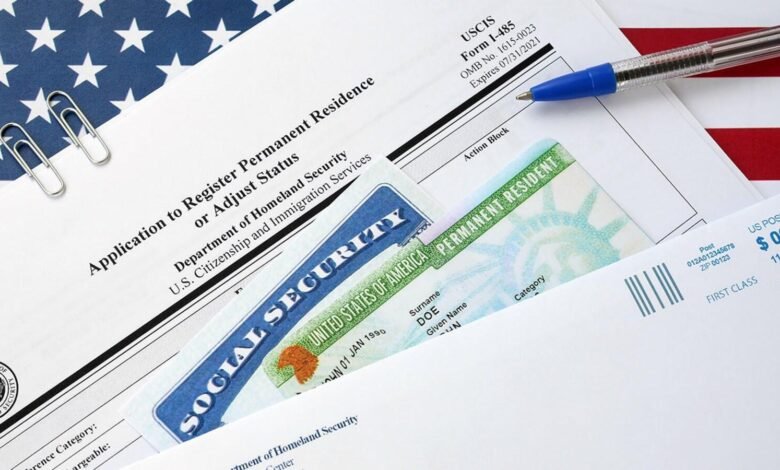
Waiting for a green card can feel frustrating. You may have submitted your forms, gathered your documents, and completed several appointments, but still have no clear idea when you'll receive a decision.
The truth is that green card timelines vary widely. Some people finish the process in months, while others wait years. The difference often comes down to how they qualify, whether a visa is available, and how quickly their application is processed.
So, how long does it take to get a green card? Let's look at the main immigration pathways, what affects the waiting period, and how you can avoid unnecessary delays.
1. Family-Based Green Cards
U.S. citizens and lawful permanent residents can sponsor certain relatives for permanent residence. However, the waiting period depends on the family relationship and the sponsor's immigration status.
For example, spouses, unmarried children under 21, and parents of U.S. citizens aged 21 or older are considered immediate relatives. Immigrant visas for these relatives aren't subject to annual numerical limits.
Other family categories, including siblings of U.S. citizens and certain adult children, have annual limits. Applicants may wait years for a visa number, even after their family petition is approved.
If you're applying through a relative, consider consulting a family-based green card lawyer in Atlanta or your city. An immigration attorney can help you understand the requirements, prepare your documents, and identify the steps involved in your case.
Remember, approval of a family sponsorship petition doesn't automatically mean a green card has been granted.
2. Employment-Based Green Cards
Some people qualify for permanent residence through employment. The process depends on the job, the applicant's qualifications, and the immigration category.
Certain employment-based applications require an employer to complete the PERM labor certification process before filing an immigrant petition.
PERM is handled by the U.S. Department of Labor and generally involves recruitment and meeting specific labor certification requirements.
If your employer is sponsoring you through this route, consider working with a PERM green card attorney in Atlanta or one practicing in your region. An attorney can guide employers and applicants through the certification requirements, help prepare the necessary paperwork, and explain how PERM fits into the overall green card process.
Keep in mind that PERM approval isn't the same as green card approval. Additional immigration steps are usually required, and some applicants must wait for a visa to become available.
3. Other Green Card Categories
Family and employment sponsorship aren't the only ways to qualify for permanent residence.
Other immigration pathways may be available to refugees, asylees, diversity visa applicants, and certain special immigrants.
Each category has different eligibility requirements and processing procedures. Some applicants must meet specific conditions or waiting periods before applying for permanent residence.
Because these pathways work differently, it's important to check the rules for your particular category.
What Factors Affect Green Card Processing Time?
Several things can influence how long your application takes.
Your Immigration Category
- Different green card categories have different requirements.
- Some allow eligible applicants to move forward without waiting for an immigrant visa number, while others have annual limits.
- This is one reason two people who apply around the same time may receive decisions years apart.
Your Country of Birth
- For immigration categories with numerical limits, the country to which your application is charged can affect visa availability.
- Some countries have larger backlogs in certain family-based and employment-based categories.
- As a result, applicants in the same category may experience different waiting periods.
Government Processing Times
USCIS handles many types of immigration applications, and processing times can vary depending on the form, application category, and office handling the case.
These timelines may change due to application volumes, background checks, and other factors. Remember that estimated processing times are not guaranteed approval dates.
Missing Documents or Application Errors
- Incomplete forms, missing evidence, or incorrect information may slow down an application.
- USCIS might issue a Request for Evidence (RFE), asking you to submit additional documents.
- Responding to these requests takes time, and failing to provide the required information by the deadline can affect your case.
- Reviewing your application carefully before submission can help reduce avoidable problems.
What Are the Main Steps in the Green Card Process?
Although the exact process varies, many applicants go through the following stages.
Step 1: File the immigration petition
An eligible family member or employer may need to submit a petition to USCIS. Some immigration categories allow applicants to petition for themselves.
- Step 2: Wait for visa availability, if required
- Certain categories have annual limits. Applicants may need to wait until their priority date becomes current.
- A priority date generally establishes their place in the visa waiting line.
- Step 3: Apply for permanent residence
- Eligible applicants already in the United States may apply through adjustment of status.
- Those applying from abroad generally complete consular processing through a U.S. embassy or consulate.
- Step 4: Complete additional requirements
- Depending on the case, applicants may need a medical examination, biometrics appointment, or interview.
- Step 5: Receive a decision
- After reviewing the application and completing the required checks, the government decides whether to approve or deny it.
Can You Speed Up the Green Card Process?
- There is no guaranteed way to speed up a green card application.
- However, you can take steps to avoid unnecessary delays.
- Start by making sure your forms are accurate and your supporting documents are complete.
- Respond promptly to official notices and keep your mailing address updated with USCIS.
- You should also monitor your case status and check whether your application is outside normal processing times.
In limited circumstances, USCIS may consider expedite requests, but these are subject to specific criteria. An expedite request does not remove legal requirements or make an unavailable immigrant visa available.
Final Thoughts
So, how long does it take to get a green card? The answer depends on your immigration category, country of birth, visa availability, and application processing time.
Some applicants may complete the process within months, while others must wait several years.
Understanding the steps, preparing accurate documents, and monitoring official updates can make the process easier to manage.
If you're unsure about your eligibility or waiting period, an experienced immigration attorney can review your circumstances and help you understand what to expect.