How Reliable Technology Infrastructure Helps Law Firms Protect Client Data and Improve Daily Operations

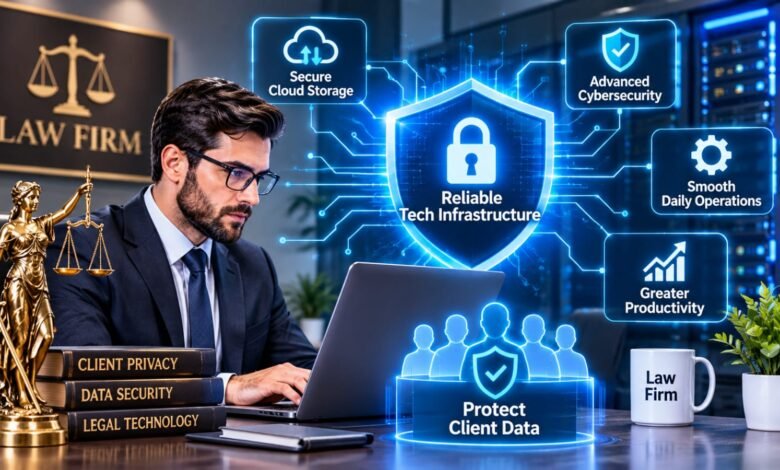
Technology plays an increasingly important role in modern legal practice. Law firms depend on digital systems to manage confidential client information, prepare legal documents, communicate with clients, organise case files and coordinate daily activities. As legal workloads become more complex, maintaining reliable technology infrastructure is essential for supporting productivity and protecting sensitive information.
From document management platforms to secure communication systems, legal professionals use multiple technologies throughout their working day. However, poorly maintained systems, outdated software and inadequate security measures can create operational challenges. Professional IT services for law firms help address these challenges by providing the technical support, infrastructure management and security practices needed to maintain dependable business operations.
Understanding the Technology Requirements of Modern Law Firms
Law firms have different technology requirements compared with many other businesses. Their daily activities involve handling confidential documents, managing legal deadlines, accessing case-related information and maintaining communication with clients, courts and other legal professionals.
A reliable IT environment must support these activities without creating unnecessary interruptions. Legal professionals need consistent access to digital records, email platforms, document management systems and specialised legal applications. Even a minor technical issue can delay important work or make essential information temporarily inaccessible.
Technology infrastructure also needs to support collaboration between attorneys, paralegals, administrative employees and external professionals. Shared document platforms and secure communication tools make it easier to coordinate responsibilities while maintaining appropriate access controls.
Understanding these requirements allows law firms to select technology solutions that support their working processes rather than introducing additional complexity.
Protecting Confidential Client Information Through Strong Cybersecurity
Confidentiality is a fundamental part of legal practice. Law firms regularly handle personal information, financial records, contracts, business agreements and other sensitive documents. If this information is exposed through unauthorised access or cyberattacks, the consequences can affect clients, employees and the firm’s professional reputation.
Cybersecurity measures help reduce these risks by protecting systems, networks and digital records against potential threats. Firewalls, endpoint protection, secure network configurations and regular software updates are important components of a comprehensive security strategy.
Access management is another important consideration. Employees should only have access to the information required for their responsibilities. Role-based permissions help prevent unnecessary exposure of confidential files and reduce the potential impact of compromised accounts.
Multi-factor authentication adds another layer of protection by requiring users to verify their identity through an additional authentication method. This can make unauthorised account access more difficult, even when login credentials have been exposed.
Regular security assessments also help identify weaknesses in existing infrastructure. By reviewing system configurations, user permissions and security policies, law firms can address vulnerabilities before they develop into more serious problems.
Maintaining Reliable Access to Legal Documents and Case Files
Document management is central to legal operations. Attorneys frequently need to review contracts, prepare court submissions, examine evidence and access historical case records. When these documents are stored across disconnected systems, locating the correct information can become time-consuming.
A structured document management environment helps organise files according to clients, cases, document categories and access permissions. It also supports consistent document storage and makes information easier to retrieve when required.
Reliable IT infrastructure helps ensure that these platforms remain accessible during working hours. Server maintenance, storage monitoring and application updates can reduce the likelihood of technical problems affecting document availability.
Cloud-based document management platforms can also support access from different locations. However, remote access must be configured securely, with appropriate authentication and permission controls.
For legal practices handling large volumes of digital records, dependable IT services for law firms can help maintain organised document environments and reduce disruptions caused by technology-related issues.
Supporting Secure Remote Work and Legal Collaboration
Remote and hybrid working arrangements have changed how many legal professionals manage their responsibilities. Attorneys may need to access case documents from home, attend virtual meetings, communicate with clients remotely or collaborate with colleagues across different offices.
These activities require secure connectivity and reliable communication systems. Virtual private networks, encrypted connections and managed access controls can help protect information when employees connect outside the office.
Video conferencing platforms also play an important role in modern legal communication. They allow legal professionals to conduct consultations, internal discussions and client meetings without requiring everyone to be physically present at the same location.
However, remote working environments introduce additional security considerations. Personal devices, unsecured wireless networks and outdated software can increase exposure to cyber threats. Organisations should establish clear policies for device security, authentication and remote access.
Regular technical support helps employees resolve connectivity problems and maintain access to essential applications. This allows legal teams to concentrate on their responsibilities rather than spending valuable time troubleshooting technology issues.
Preventing Downtime Through Proactive IT Maintenance
Unexpected technology failures can interrupt legal operations and affect important deadlines. Server problems, network interruptions, hardware failures and software errors may prevent employees from accessing the systems they need.
Proactive IT maintenance focuses on identifying and addressing potential problems before they cause significant disruptions. This includes monitoring server health, checking storage capacity, reviewing system performance and installing security updates.
Regular maintenance also helps identify ageing hardware and outdated applications that may create reliability problems. Replacing unsupported systems and addressing performance limitations can reduce the likelihood of unexpected failures.
System monitoring provides useful information about infrastructure behaviour. For example, unusually high memory usage or repeated application errors may indicate a developing issue that requires investigation.
Preventive maintenance is particularly valuable for law firms because their work often involves time-sensitive documents, scheduled hearings and important client communications. Maintaining dependable systems helps employees continue their work with fewer technology-related interruptions.
Implementing Backup and Disaster Recovery Solutions
Data loss can create serious operational problems for legal practices. Accidental deletion, hardware damage, ransomware attacks and system failures may affect access to important case documents and business records.
A structured backup strategy helps protect critical information by maintaining additional copies of digital data. Backups may be stored on separate physical devices, secure cloud platforms or other protected storage environments.
However, simply creating backups is not enough. Law firms should establish backup schedules based on how frequently their information changes and how much data they can afford to lose. Important systems may require more frequent backups than less critical applications.
Disaster recovery planning focuses on restoring systems and services after a major incident. It should identify essential applications, recovery priorities, responsible employees and procedures for restoring access to business information.
Testing backups is equally important. Regular recovery tests help confirm that stored data can actually be restored and that recovery procedures work as expected.
These measures provide a structured approach to maintaining business continuity when unexpected incidents affect technology infrastructure.
Managing Legal Software and Business Applications
Law firms rely on specialised software to manage different aspects of their operations. Practice management applications can help organise client information, track case progress, manage calendars and monitor administrative activities.
Billing and accounting platforms support financial processes, while document automation tools can reduce repetitive work involved in preparing standard legal documents. Email and communication applications remain essential for coordinating discussions with clients and other professionals.
Managing these applications requires attention to software compatibility, licensing, updates and user access. Outdated applications may introduce security vulnerabilities or create problems when interacting with other systems.
Technical support helps ensure that applications are configured correctly and operate consistently across employee devices. It can also assist with troubleshooting, software upgrades and integration issues.
Choosing suitable applications should involve evaluating their security features, usability, compatibility and ability to support the firm’s existing workflows. The objective is to create a connected technology environment that improves efficiency without compromising information security.
Improving Employee Productivity Through Responsive Technical Support
Even well-designed technology environments can experience occasional technical problems. Employees may encounter login difficulties, printing errors, application crashes, network connectivity issues or problems accessing shared documents.
When these issues remain unresolved, they can interrupt daily activities and reduce employee productivity. Responsive technical support provides a structured way to investigate and resolve problems.
A help desk allows employees to report technical issues and receive assistance according to their urgency. Critical problems affecting multiple users or essential business applications should receive appropriate priority.
Remote troubleshooting can resolve many common problems without requiring an on-site visit. More complex hardware, network or infrastructure issues may require direct technical intervention.
Consistent support also helps identify recurring problems. If employees repeatedly experience the same application error or connectivity issue, technical teams can investigate the underlying cause rather than treating each incident as an isolated event.
This approach helps law firms maintain a more stable working environment and minimise unnecessary interruptions.
Meeting Compliance and Data Protection Responsibilities
Law firms must consider data protection and confidentiality requirements when selecting and managing technology systems. Their responsibilities may involve applicable privacy legislation, professional conduct rules, contractual obligations and industry-specific security expectations.
Technology controls can support these responsibilities by helping organisations manage information access, maintain records and protect confidential data.
Encryption helps protect information during transmission and storage. Access logs can provide visibility into certain activities performed within digital systems, while permission management helps control who can view or modify specific records.
Data retention policies are also important. Organisations should establish procedures for storing, retaining and securely disposing of information according to applicable legal and professional requirements.
Depending on the jurisdiction and type of information involved, different regulatory requirements may apply. Therefore, law firms should work with qualified legal and compliance professionals when developing their data protection policies.
Technology providers can help implement and maintain the technical controls required to support these policies, but technology services alone do not guarantee regulatory compliance.
Choosing the Right Technology Support for a Legal Practice
Selecting an appropriate technology support provider requires an understanding of the firm’s operational requirements. A small legal practice may need assistance with device management, email security, backups and routine troubleshooting, while a larger organisation may require more advanced network management, cloud infrastructure support and cybersecurity services.
Service availability is an important consideration. Law firms should understand how support requests are handled, what response times are offered and whether assistance is available outside normal working hours.
Security experience should also be evaluated. Providers should demonstrate an understanding of access controls, secure remote connectivity, endpoint protection, backup management and incident response procedures.
Scalability is another factor. Technology requirements may change as a firm hires additional employees, opens new offices or adopts new legal applications. Infrastructure should be capable of supporting these changes without requiring unnecessary system replacements.
Clear service agreements help establish expectations regarding responsibilities, support coverage, maintenance activities and incident handling. Reviewing these details before selecting a provider can help law firms make more informed technology management decisions.
Conclusion
Reliable technology infrastructure is essential for supporting the daily operations of modern legal practices. From protecting confidential client information to maintaining document access and supporting remote collaboration, technology influences almost every aspect of legal work.
Cybersecurity, proactive maintenance, backup planning, application management and responsive technical support all contribute to a more dependable working environment. These measures help reduce operational interruptions, protect important information and support consistent access to essential business systems.
Investing in professional IT services for law firms allows legal practices to manage their technology requirements through structured support and appropriate security controls. By regularly reviewing infrastructure performance and addressing emerging risks, firms can build a technology environment that supports their operational needs while maintaining the confidentiality and availability of important legal information.