

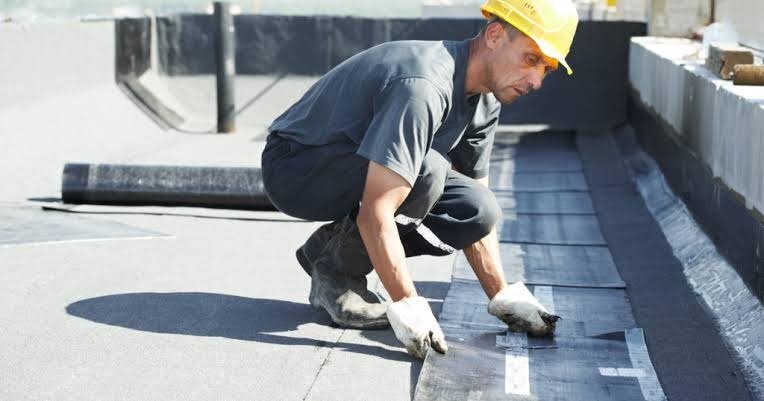
Concrete is widely used in foundations, retaining walls, basements, balconies, and other structural applications because of its strength and durability. Modern construction techniques can make water resistant concrete less vulnerable to moisture penetration, but this does not mean the material is completely waterproof. Small cracks, construction joints, poor workmanship, and long-term exposure to changing environmental conditions can still create pathways for water. Adding a suitable waterproofing membrane provides another layer of protection, helping preserve the structure and reduce the risk of moisture-related damage over time.
Understanding the Difference Between Water Resistance and Waterproofing
Water resistance and waterproofing are closely related concepts, but they do not offer exactly the same level of protection.
Concrete designed to resist water penetration may contain specialised admixtures that reduce permeability and limit the movement of moisture through its internal structure. These additives can improve durability, particularly in areas exposed to damp soil or occasional water contact.
However, concrete remains a porous material. Its performance depends on the mix design, curing process, placement quality, and environmental conditions.
A waterproofing membrane works differently by creating a continuous protective barrier across a designated surface. Rather than relying entirely on the concrete’s internal properties, it helps prevent external water from reaching the underlying structure.
Why Concrete Can Still Develop Moisture Problems
Even carefully prepared concrete can experience weaknesses that allow water to enter.
1. Hairline Cracks and Structural Movement
Concrete naturally experiences shrinkage during curing. Temperature changes, ground movement, loading conditions, and structural settlement can also contribute to cracking.
Some cracks may appear insignificant initially, but they can become entry points for moisture. Flexible waterproofing membranes can help accommodate limited movement, depending on their formulation and application requirements.
2. Construction Joints and Cold Joints
Large concrete structures are not always poured in a single operation. Different sections may be completed at separate times, creating joints that require appropriate detailing.
If these connections are not properly treated, water can migrate through the gaps between concrete sections.
Membranes, waterstops, and suitable joint-sealing systems can work together to reduce the likelihood of water penetration.
3. Hydrostatic Pressure
Underground structures, particularly basements and foundations, may experience pressure from groundwater surrounding the building.
Even concrete with reduced permeability can allow moisture to enter through joints, cracks, and other weak points when exposed to sustained water pressure.
An appropriately specified waterproofing system helps protect these vulnerable areas.
How a Waterproofing Membrane Provides Additional Protection
Applying a suitable membrane creates a protective layer between concrete and external moisture. Its effectiveness depends on correct product selection, surface preparation, detailing, and installation.
Creates a Continuous Moisture Barrier
Membranes are designed to cover concrete surfaces and limit direct contact with water. Depending on the system, they may be applied as liquid coatings or installed as sheet materials.
When properly installed, they help protect foundations, retaining walls, roofs, and other exposed structural elements.
Accommodates Minor Surface Movement
Certain flexible membranes can stretch or bridge small cracks without immediately losing their protective properties.
This characteristic is particularly useful in structures exposed to temperature fluctuations and minor movement. However, movement joints and significant cracks still require appropriate treatment rather than relying on the membrane alone.
Protects Reinforcement From Moisture Exposure
Water entering concrete can contribute to corrosion of embedded steel reinforcement, particularly when chlorides or other aggressive substances are present.
By limiting water penetration, an external membrane can help reduce one of the conditions associated with reinforcement deterioration.
This additional protection can contribute to the long-term durability of reinforced concrete structures.
Where Membrane Waterproofing Makes the Most Difference
Certain building areas face greater exposure to water and therefore benefit from carefully designed waterproofing systems.
Basements and Foundations
Underground structures remain in contact with surrounding soil, which may retain moisture after rainfall. External membrane systems can help prevent groundwater from entering basement walls and foundation areas.
Drainage systems may also be necessary where groundwater pressure is a concern.
Balconies and Terraces
Rainwater can collect on poorly drained balconies and gradually penetrate surface defects or joints. A suitable membrane beneath the finished surface helps protect the concrete slab and internal spaces below.
Correct drainage falls and properly sealed connections are equally important.
Retaining Walls
Retaining walls experience moisture from surrounding soil, particularly during periods of heavy rainfall. Waterproofing membranes, drainage layers, and suitable outlets can help manage water movement and reduce pressure against the structure.
Wet Areas and Internal Spaces
Bathrooms, laundries, and other frequently exposed areas require effective moisture protection. Waterproof membranes beneath tiles help prevent water from reaching wall cavities and floor structures.
Factors to Consider When Selecting a Membrane
Not every waterproofing product is suitable for every concrete application. The selection process should consider several practical requirements.
- Water exposure: Determine whether the surface faces occasional splashing, persistent dampness, or sustained groundwater pressure.
- Surface conditions: Check whether the concrete has cracks, contamination, uneven areas, or existing coatings.
- Flexibility: Consider whether the structure experiences movement or temperature-related changes.
- Chemical compatibility: Ensure the membrane is suitable for the substrate and any materials applied over it.
- Installation requirements: Follow manufacturer specifications for preparation, application thickness, curing, and protective coverings.
Professional assessment is particularly important for below-ground structures and areas exposed to continuous water pressure.
Final Thoughts
Concrete engineered to resist water offers valuable protection, but its performance can still be affected by cracking, construction joints, structural movement, and prolonged moisture exposure. A suitable waterproofing membrane provides an additional barrier that helps address these vulnerabilities.
Combining appropriate concrete specifications with correctly installed membranes, effective drainage, and regular inspections creates a more comprehensive approach to moisture management. This layered protection can help preserve structural integrity, reduce maintenance concerns, and support the long-term durability of buildings.


