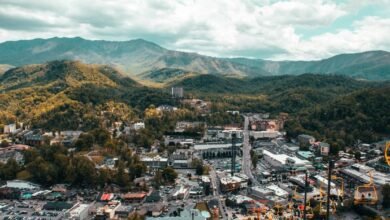
Pigeon Forge can feel packed with options the minute you start planning, and that’s part of the challenge. You’re not just picking attractions. You’re building a day that fits different ages, attention spans, budgets, and energy levels. A stronger plan starts with knowing which experiences actually hold your group’s interest, which ones work in mixed weather, and how to move through town without turning your schedule into a traffic problem.
Use Mini Golf as a Real Anchor, Not Just a Time Filler
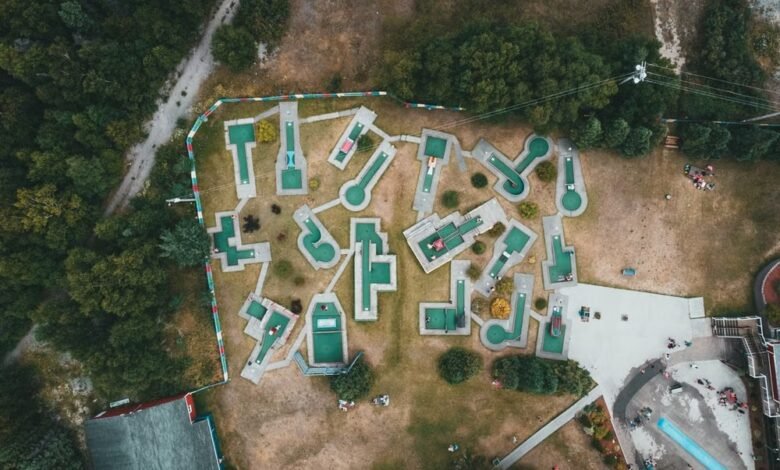
A lot of travelers treat mini golf like the thing you do only if there’s leftover time. In Pigeon Forge, that can be a mistake. A well-themed course works as a core activity because it suits multiple ages, doesn’t require a long commitment, and gives everyone a shared objective without much pressure.
If you want a themed option with a clear identity, a mini golf course in Pigeon Forge like Sky Pirates of Mermaid Bay Mini Golf gives you more than a basic round. It features a sky pirates and mermaids concept, immersive set design, and both indoor and rooftop courses. That setup helps when the weather changes or when your group wants a choice in atmosphere.
It also solves a common vacation issue: finding something that feels active without exhausting everyone before dinner or your next attraction.
Start With How Your Group Actually Spends Energy
Before you book anything, think about your group in practical terms. Some families love back-to-back activity blocks. Others need downtime after one high-stimulation stop. Pigeon Forge rewards honest planning more than ambitious planning.
If you’re traveling with teens, they usually want hands-on attractions, fast pacing, and something worth photographing. Younger kids often do better with shorter experiences and clear visual themes. Adults tend to care about parking, wait times, food access, and whether an activity feels worth the price.
That mix matters. A day with one immersive attraction, one flexible meal stop, and one lower-pressure activity usually lands better than cramming in five major-ticket experiences. You’ll also want to look at drive times between stops, because a short distance on the map can still move slowly along the Parkway.
Pick Attractions That Work in More Than One Situation
The strongest itinerary in Pigeon Forge holds up even when your day shifts. Rain, traffic, hunger, or tired kids can derail a rigid schedule fast. The better strategy is choosing attractions that still make sense if your timing changes.
Indoor museums, interactive entertainment, and compact attractions are especially useful because they don’t demand an entire day. That gives you room to adjust without feeling like you wasted a reservation or a big entry fee.
This is also where themed attractions can outperform larger venues. They deliver a full experience in a smaller window, which helps if you’re balancing lunch plans, shopping, or a second stop later. If you’re building around flexibility, think less about checking famous names off a list and more about how each place fits the rhythm of your day.
Build Your Route Around Traffic Reality, Not Wishful Timing
Pigeon Forge looks simple on paper because so many attractions line the same main corridor. In practice, timing matters more than mileage. Midday congestion can stretch a short transfer into a frustrating delay, especially when everyone in town seems to be moving between lunch and afternoon activities at once.
You can reduce that stress by grouping attractions by area instead of jumping end to end. Park once when possible. Walk short stretches if the location allows it. Keep your highest-priority attraction earlier in the day, when energy and patience are both stronger.
Also, leave breathing room between reservations. That buffer protects the day when parking takes longer than expected or a stop ends up being more fun than you planned. A tight schedule sounds efficient, but in busy tourism corridors, flexibility usually creates a smoother experience.
Balance Big-Ticket Stops With Lower-Commitment Wins
One expensive attraction can be worth it. Three in a row can make the day feel transactional, especially if everyone starts calculating whether each stop delivered enough entertainment per dollar. A better travel mix includes some lower-commitment activities that still feel memorable.
That might mean pairing a museum or major show with a themed mini golf round, a scenic walk through a public area, or a dessert stop that doubles as a break. Smaller wins matter because they reset the mood. They also help if one person in your group isn’t thrilled by the larger attraction everyone else wanted.
This approach works financially too. You’re less likely to feel pressure to maximize every minute of a premium ticket when the rest of the day includes easier, lighter experiences that don’t demand so much from your schedule or budget.
Keep Family-Friendly Planning Specific
Family-friendly doesn’t mean every attraction suits every family. Some places are better for kids who like sensory stimulation. Others fit families that want gentler pacing and more room to move around without strict showtimes.
Read the practical details before you go. Check whether an attraction is mostly outdoors, whether stairs are involved, how long the average visit lasts, and whether the experience is self-paced. Those details shape the day more than glossy marketing language.
Food planning deserves the same level of attention. If your group gets irritable when meals run late, don’t leave lunch to chance during peak hours. Pick a time window and identify a nearby option before you head out. You don’t need a military-grade itinerary, but you do need enough structure to avoid the classic vacation spiral of hunger, overstimulation, and rushed decisions.
Watch for Updated Attraction Details Before You Arrive
The Smokies region changes constantly. Attraction features get updated, seasonal offerings shift, and local conditions can affect nearby plans. A smart itinerary check the week before your trip can save you from showing up with outdated assumptions.
That matters even more if your group wants a mix of Pigeon Forge and neighboring areas. Road conditions, temporary closures, and renamed attractions can create confusion if you rely on old blog posts or saved social media clips. Official attraction websites tend to be the cleanest source for hours, ticketing, and current features.
You should also verify whether your top stops need advance tickets. Some attractions are easy to visit spontaneously, while others work better with a reserved time slot. Knowing which is which helps you stay relaxed instead of rebuilding the day from your phone in a parking lot.