Switching from Plastic to Paper Bags: A Practical Checklist for Restaurants and Retailers

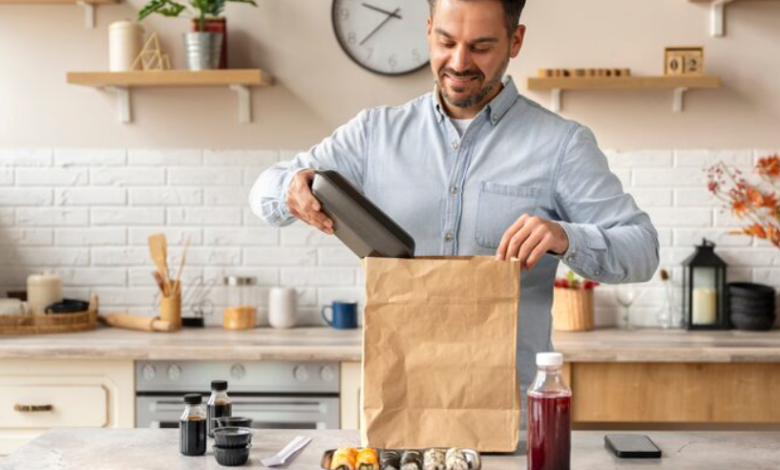
More restaurants and stores are moving from plastic to paper bags. Here is what to check before you switch, from bag type and paper weight to printing and storage, so the change works in daily operations. Switching from plastic to paper bags looks simple on paper. In practice, the first order often brings surprises: bags that tear under heavy items, sizes that do not fit your containers, or printed bags that arrive later than expected. A little planning avoids most of these problems. This checklist walks through the decisions restaurants, bakeries and retailers should make before placing their first paper bag order.
Why businesses are making the switch
Customer expectations are the main driver. Many shoppers now associate paper packaging with a more responsible brand, and a well-printed paper bag also works as a small piece of advertising every time it leaves the store. Local rules play a role too. Bag regulations differ from state to state and city to city, and some places also set requirements or fees for paper bags, so it is worth checking the rules that apply to your locations before you finalize your packaging.
1. Match the bag type to what you sell
Paper bags are not one product. Each type is built for a different job:
- SOS bags (self-opening square bags) stand upright when opened and are a common choice for takeout, groceries and bakery items.
- Flat handle bags suit takeout orders and lighter retail purchases.
- Twisted handle bags are stronger and more comfortable to carry, which makes them a good fit for retail stores and heavier items.
- Die-cut handle bags give a clean, premium look for boutiques and branded retail.
- Window bags let customers see baked goods, coffee or snacks without opening the bag.
- Bread bags are designed for long loaves and baguettes. Breathable paper bread bags help keep crusty bread from turning soft the way it can in a sealed plastic bag.
- Merchandise bags are flat bags for small items such as accessories, cards or pharmacy products.
Start by listing what you actually hand to customers each day, then match each product group to one bag type.
2. Get the size right
Measure your real products, not estimates. For food service, measure the containers you already use, including stacked combinations, and leave room for napkins and cutlery. Pay attention to the gusset (the side depth): a wide gusset lets food containers sit flat, which reduces spills. At the same time, try to keep the number of sizes small. Every extra size means more storage space and more reordering work.
3. Choose the paper weight for the load
Paper strength is described by its weight, usually shown as GSM or basis weight. Light paper works for pastries or small retail items, while heavy grocery orders or bottled drinks need a heavier paper and a reinforced handle. For hot or greasy food, ask whether a grease-resistant paper is available for the bag type you need.
4. Decide between brown kraft and white paper
Brown kraft paper gives a natural look and hides minor marks from handling. White paper offers stronger contrast for logos and colored printing. Many businesses use brown kraft for everyday takeout and white bags for retail or gift purchases.
5. Plan your printing early
A printed bag turns every order into brand exposure, but custom printing needs time for artwork approval and production. If you are switching soon, consider starting with plain bags and adding printed bags in a second order. Keep the design simple: a clear logo and one or two colors usually print more consistently than detailed artwork.
6. Prepare for storage and handling
Paper bags take up more space than plastic bags and need to stay dry. Before a bulk order arrives, check where the cases will be stored, how many cases fit at each workstation, and when you should reorder. Setting a simple reorder point for each size prevents last-minute shortages.
7. Work with a supplier that covers the full range
Buying each bag type from a different source makes ordering complicated and leads to inconsistent quality across your packaging. Working with a single wholesale paper bag supplier that carries SOS, handle, window and bread bags makes it easier to keep sizes, paper quality and printing consistent. Ask for samples of each bag you plan to use and test them with your heaviest real orders before committing to bulk quantities.
Bringing it together
A successful switch to paper comes down to a few practical decisions: the right bag type for each product, accurate sizes, enough paper strength for the load, and a printing and storage plan that fits your operation. Take the time to test samples with real orders, and the change from plastic to paper will feel seamless to both your staff and your customers.