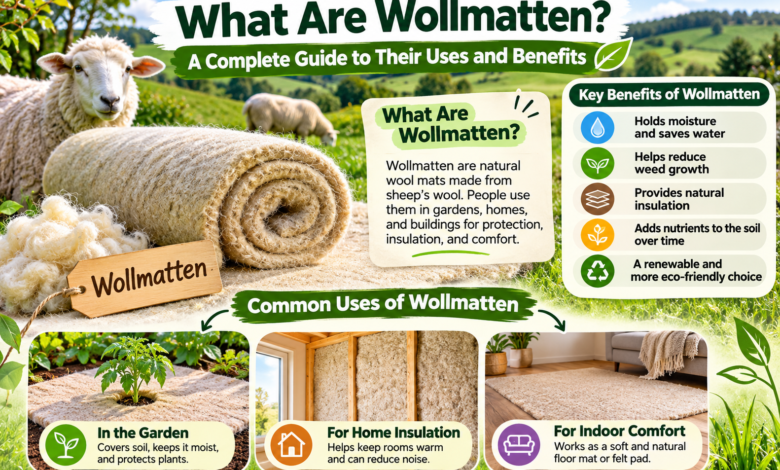
Wollmatten are natural wool mats that people use in gardens, homes, and buildings. They are soft, strong, and useful for many jobs. Some protect plants and help the soil hold water. Others help keep rooms warm or reduce noise. Many people choose them because wool comes from a natural source.
It can also be used in place of some man-made materials. Wollmatten come in many shapes, sizes, and types. Each type has a special purpose. Some work well outdoors, while others suit indoor spaces. Knowing how these mats work can help you choose the right one. This guide explains what wollmatten are, how people make them, their main benefits, and the best ways to use them.
What Are Wollmatten?
Wollmatten is a German word that means wool mats in English. The word “Wolle” means wool, and “Matten” means mats. These products are often made from sheep’s wool. Makers press or join wool fibers to form a flat sheet. The finished mat may feel soft, thick, or firm.
Its texture depends on how the maker prepares the wool. Some wollmatten serve as garden covers. Others work as floor pads, felt sheets, or building insulation. Wool has natural features that make it useful. It can hold moisture, trap air, and help control heat. Still, not every wool mat works the same way. The right choice depends on where you plan to use it.
How Are Wollmatten Made?
The making process starts with wool. Farmers collect wool when they shear their sheep. After that, workers sort the fibers and prepare them for use. Many indoor and building products need washed wool. Washing removes dirt, grease, and other unwanted matter. Next, makers spread the wool into thin layers.
They join these layers to form a thick mat. Some makers use needles to lock the fibers together. Others use heat, moisture, or added fibers to help the mat hold its shape. The finished wool mat may come in rolls, sheets, or cut pieces. Some products contain only wool. Others include added materials for extra strength. This is why buyers should always check the product label.
Different Types of Wollmatten
Wollmatten come in several types. Garden wool mats cover the soil around plants. They help reduce water loss and limit the space where weeds can grow. Wool insulation mats have a different job. Builders place them inside walls, roofs, or floors to help slow heat loss. Felt wool mats have a firm, smooth surface.
People use them for pads, crafts, and home items. Some wool mats also protect soil on slopes from washing away during rain. Each type has its own design. A garden mat may break down over time, while an indoor mat should last much longer. Always choose a product made for your planned use.
Why Are Wollmatten Useful in Gardens?
Gardeners use wollmatten because they can help protect the soil. A wool mat covers open ground around plants. This cover slows the loss of water on hot or windy days. It also helps keep sunlight away from weed seeds. Gardeners can use suitable mats around flowers, vegetables, and shrubs.
Wool may also add nutrients as it breaks down in the soil. This makes it more than a simple cover. A study shared by South Dakota State University Extension found that raw wool mulch showed promise for weed control. Still, results can change with the weather, soil, and type of plant. Gardeners must also keep watering and caring for their plants.
How Do Wollmatten Help Save Water?
Water is important for healthy plants. When bare soil sits under the sun, water can leave the ground through evaporation. Wollmatten help slow this process by covering the soil. Wool fibers can also take in and hold some water. This may help keep the ground moist for longer.
The benefit can be useful in warm weather or in gardens that dry out fast. A 2023 study on sheep’s wool growing mats found that mats containing wool held more water than the coconut fiber mats used for comparison. However, a wool mat does not replace normal watering. Plants still need enough water at their roots. It is best to check the soil before adding more water.
Can Wollmatten Stop Weeds From Growing?
Weeds take water, space, and nutrients away from garden plants. Wollmatten can help reduce this problem. A close-fitting wool cover blocks some of the light that weed seeds need to grow. It also makes it harder for small weeds to reach the surface. This can mean less work for gardeners.
Yet wool mats cannot stop every weed. Strong weeds may grow through gaps or holes. Seeds can also land on top of the mats and begin to grow. Gardeners should remove large weeds before placing a mat on the ground. They should also check for new weeds during the growing season.
Do Wollmatten Provide Nutrients for Plants?
Natural wool contains nitrogen and sulfur. Plants need these nutrients to grow. Nitrogen helps plants form healthy green leaves. Sulfur helps plants make the materials they need for growth. When untreated, biodegradable wool breaks down in soil, it can release nutrients over time. This is one reason some gardeners use sheep’s wool as mulch.
Wool does not act like a fast plant feed. Its nutrients become available at a slower rate. The amount also depends on soil life, moisture, and the type of wool. Some plants may still need extra fertilizer. Wollmatten should support good soil care rather than replace every other garden product.
How Do Wollmatten Protect Garden Soil?
Heavy rain and strong wind can move loose soil from one place to another. This is called soil erosion. It can harm gardens and leave plant roots without enough cover. Some outdoor wollmatten help hold the soil in place.
The wool fibers form a layer over the ground. This layer can slow water as it flows across the soil. It may also help protect newly planted areas. Special wool mats are used on slopes and in land care projects for this reason. These mats need the right size and proper fixing to work well. A normal indoor wool mat is not a good choice for this job.
Wollmatten for Home Insulation
Wollmatten are useful inside buildings, too. Wool traps small pockets of air between its fibers. These air pockets help slow the movement of heat. This makes wool useful for insulation. Builders can place special wool mats inside walls, roofs, and some floor spaces. The mats can help keep warm air inside during cold weather.
They may also reduce heat entering a room during hot weather. Some wool products help reduce sound as well. Still, a building needs more than wool to stay comfortable. Good windows, safe building work, and proper ventilation also matter. Buyers should use certified building insulation, not garden mats, for this purpose.
Wollmatten for Indoor Comfort and Decoration
Wool mats also have a place in home design. Felt wool pads can sit under furniture to help protect floors from marks. Larger wool mats may add warmth and softness to living spaces. Some people use wool felt for wall panels or craft projects.
Wool can also help make a room feel less bare. Its soft surface and natural look suit many home styles. However, not all wool mats work as floor rugs. Some may slip or wear down when people walk on them. A mat placed on a smooth floor should have a safe, slip-resistant design. Choose indoor wool products that match the job you want them to do.
Are Wollmatten Good for the Environment?
Many people choose wollmatten because wool is a renewable material. Sheep grow new fleece, which farmers can collect during shearing. Wool also offers a way to use fibers that may not suit clothing. Pure wool can break down through natural processes under the right conditions.
This may make some wool mats a useful choice instead of plastic garden covers. Yet not all products are fully natural. Some contain plastic fibers, glue, or other added materials. Making and moving wool products also uses energy and resources. A better choice is to look for clear product details, long service life, and wool from a trusted supplier.
How to Use Wollmatten in Your Garden
Using a wool garden mat is not difficult. First, clear the area around your plants. Remove weeds, stones, and sharp items. Next, water the soil if it feels dry. Place the mat over the ground and cut openings for the plants if needed.
Keep the wool away from the plant stems so air can move around them. Make sure the mat sits close to the soil. Use suitable pins or other fixing methods if the product needs them. Then water the plants as normal. Check the soil under the mat from time to time. If the ground stays too wet, adjust your watering. Follow the maker’s directions for the best results.
How to Clean and Care for Wollmatten
The right care depends on the type of wollmatten. Garden wool mats often stay outside until they wear down or break apart. They do not need washing like a home rug. Remove large weeds and check that the mats remain in place. Indoor wool mats need a different kind of care.
Shake off loose dust or use a vacuum if the maker allows it. Clean small marks with a method that suits wool. Do not soak or scrub a mat unless its care label says this is safe. Wool can shrink or change shape with rough washing. Building insulation should stay protected and dry. Check with a trained worker if you find water damage or signs of pests.
What Are the Main Disadvantages of Wollmatten?
Wollmatten offer many benefits, but they also have limits. Natural wool products may cost more than some plastic mats. Garden mats can break down, so they may need replacing. Wool may not suit every plant or soil type. For example, gardeners should use care with plants that need very acidic soil.
Wool is also not a sure way to stop slugs or snails. Some may still cross it. Indoor wool products can attract moths if they lack proper protection. Building mats may contain added fibers or treatments. These details can affect how a product performs. Knowing the limits helps buyers make a better choice.
Wollmatten vs Synthetic Mats: What Is the Difference?
Wollmatten and synthetic mats can serve some of the same needs, but they use different materials. Natural wool comes from animals, while synthetic fibers often come from man-made sources. A pure wool garden mat can break down and return organic matter to the soil.
A plastic mat may last longer outdoors but can leave plastic waste behind. Wool can also release nutrients, which normal plastic covers do not. However, synthetic mats may cost less and offer greater strength for certain tasks. The better choice depends on how long you need the mat, where you will use it, and how you plan to dispose of it.
How to Choose the Best Wollmatten
Start by thinking about the job your mat must do. For a garden, look for wool mats made for soil cover or plant growth. Check whether they contain pure wool and whether they can break down in the soil. For a home, choose a mat with the right feel, thickness, and surface.
If you need insulation, look for tested building products with clear safety details. Size also matters. Measure your space before buying so you do not waste material. Compare the price, wool content, care advice, and expected life of each product. A good wollmatten product should match your needs and come with clear instructions.
Final Thoughts
Wollmatten are useful wool mats with many practical uses. They can help protect garden soil, hold moisture, reduce weeds, and support plant growth. Special wool mats can also help keep buildings warm and make indoor spaces more comfortable. Their natural fibers make them an option for people who want to use more renewable materials.
Still, every product has its own purpose and limits. The right wool mat depends on its materials, design, and place of use. By checking these details before buying, you can choose wollmatten that work well for your garden or home.