How Conflict Pushes Children Into Work – And How Education Helps Break the Cycle of Child Labour

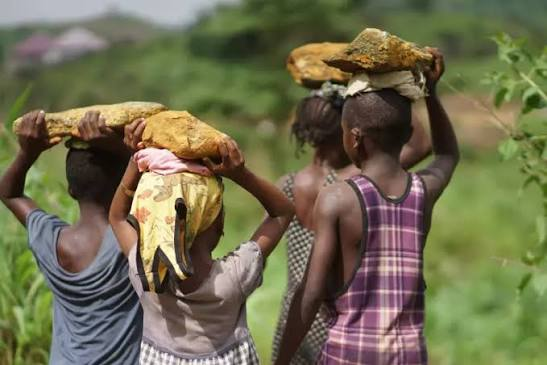
What does war take from a child? Most of us would say it takes a child a home, a sense of safety, maybe a parent. All true. But another loss rarely makes the news: the simple, ordinary right to sit at a desk and be a kid.
When a crisis hits, school is usually the first thing to go. Work comes next. The boy who carried a backpack now carries bricks. The girl who loved reading now sweeps floors in somebody else’s house for a few coins. No parent wants this. It just gets in your system week after week until it becomes normal.” That is the silent truth of child labour in conflict zones, and it is the defining fact of millions of children’s lives. The good news? There’s a way out, and it starts with getting children back into a classroom.
“I just wanted to help”: How a family crisis becomes a child’s job
Picture a family that fled overnight. Gone is the house. Gone is the shop, the savings, the neighbours who would have lent a hand. Now they’re in a crowded camp or a single rented room in a strange city. Dad has no work permit. Mum might be on her own because her husband was injured or killed.
Kids notice everything. They see the half-empty pot at dinner, and plenty of them quietly decide to fix it.
That’s why child labour and armed conflict are so tightly tied together. Here’s what it often looks like on the ground:
- Collecting and selling scrap metal or plastic
- Hawking snacks or tissues at busy intersections
- Farming, hauling loads or working in markets
- Domestic work in other people’s homes
- In the worst cases, being recruited by armed groups
Adults in displaced communities often can’t legally work, so a child picking up odd jobs under the radar may be the only one bringing money home. Those few dollars buy bread. Parents know the price their child is paying. They just have no other card to play.
When the school bell stops ringing
Schools get bombed. They turn into shelters. They sit empty because the teachers fled. Sometimes the building is just fine, but the path to it isn’t.
According to Education Cannot Wait – UN’s fund for education in emergencies – approximately 234 million children of school age in crisis-affected countries require urgent attention in order to continue their education, and more than 85 million children out of them are not in school at all. That’s the scale of out-of-school children in war.
And the longer a child stays out, the harder it gets to go back. After a year or two away, a ten-year-old might be sitting next to six-year-olds. That’s embarrassing, so they quit again. By now, the family silently built their budget on the child’s income. Making them return to studies now looks like a risk nobody can take. Temporary emergency becomes a permanent trap and is usually passed to the next generation.
Why does a classroom changes the whole story
This is how a safe place of learning affects children:
- It keeps them safe during the daytime, leaving less time to spend in streets or on work sites
- Brings back routine to a life that’s had none
- Spots trouble early, because teachers notice when a child suddenly stops coming, looks exhausted or is being pressured
- Builds a future, since every extra year of school improves a child’s chances of earning a decent living
And then there’s the part you won’t find in a report. For a child who has lived through violence, a classroom might be the first place in months where they get to laugh, draw and argue about something silly.
Where War Child Canada fits in
That joined-up approach is exactly what War Child Canada focuses on. Just such an integrated approach lies in the focus of War Child Canada – Canadian registered charity supporting children affected by war through education, child protection and community based program in some of the world’s most vulnerable regions.
Without bringing any solutions, they collaborate with local communities to build secure learning spaces, help children get back on track after being away from education for many years and improve the system of safety of children.
What you can do from Canada
It’s easy to think these crises are too far away to matter. They aren’t, and ending child labour needs people here in Canada too. Several simple steps you can do yourself:
- Give what you can: Even a small monthly gift lets programs plan ahead instead of scrambling.
- Start something local: A school drive, a workplace challenge or a community fundraiser adds up fast.
- Email your MP: Ask them to keep education a priority in Canada’s humanitarian and foreign aid decisions.
- Keep the conversation going: Issues only stay on the agenda when ordinary people keep bringing them up.
Conclusion
Conflict can drive a child to work but it doesn’t have to determine how their story ends. Put that same child back in a safe classroom, with a teacher who knows their name and a community that’s got their back, and things begin to change. They grow up with choices. Their kids grow up with even more.
Remember the girl who used to walk to school with her notebook? She doesn’t need pity. She needs a desk, a teacher and a family with just enough support to let her stay. Every one of the children affected by war deserves that chance.
Ready to help make it happen? Visit War Child Canada to learn more or donate today.