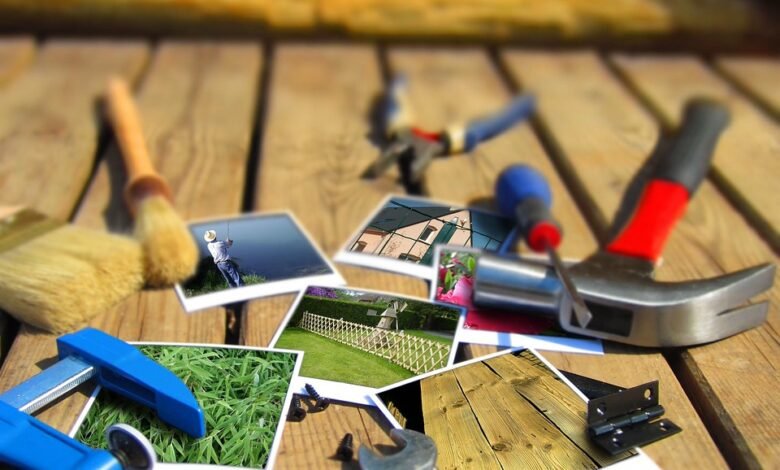
You walk through your front door and spot half a dozen tasks calling for your attention. A wobbly cabinet hinge, a dull patch of turf, or scuffed baseboards can instantly crowd your thoughts with good intentions. You want to make your home look sharp, but full weekends easily vanish into cluttered toolboxes and exhausting trips across town.
Taking control of your home improvements does not require contractor-level stamina or complicated blueprints. You simply need a reliable system that keeps projects bite-sized, predictable, and rewarding. When you strip away unnecessary friction, you discover how satisfying independent work can truly be.
Why do simple home repairs create so much friction?
Most home tasks start with pure enthusiasm before scope creep quietly sneaks into the picture. You plan to swap out a single light fixture on Saturday morning, and suddenly you find yourself pricing complete electrical overhauls by noon. That creeping complexity turns weekend updates into heavy burdens that linger across several weeks.
Rising anxiety around domestic tasks affects households everywhere. A research report revealed that 43% of homeowners experienced higher stress levels tied to regular upkeep and maintenance in 2025, naming home repairs as their top financial pressure point. You can cut down that frustration by narrowing your focus to immediate, contained fixes that leave no lingering mess behind.
How can dependable gear simplify outdoor maintenance?
Curb appeal creates an immediate sense of accomplishment that carries into your indoor projects. Modern electric lawn mowers from Worx and similar options remove the friction of mixing fuel, checking spark plugs, or pulling stubborn starter cords on busy Saturday mornings. You simply insert a charged battery pack, press start, and trim your yard in half the time older gas equipment requires. Clean gear minimizes prep work and lets you pack everything away within minutes.
When your outdoor tools work without temperamental breakdowns, you stop dreading routine upkeep. You gain back precious weekend hours because you spend your energy finishing tasks rather than troubleshooting stubborn engines. Consistent results outside build your confidence to tackle indoor upgrades with the exact same streamlined mindset.
Why should you divide major goals into single afternoon blocks?
Ambitious renovations often stall because homeowners attempt to finish entire rooms in one chaotic burst. Data gathered by This Old House showed that 48% of homeowners planned home renovations in 2025, proving that the desire to improve living spaces remains remarkably high across the nation. Ambition works best when you divide broad visions into clear, self-contained afternoon sessions that guarantee visible completion before dinner.
Breaking down complex room makeovers
Treating a bedroom or kitchen refresh as one giant project invites fatigue and cluttered hallways. You make rapid headway when you isolate individual surfaces and give each component your complete attention.
The single accent wall method
Paint one focal wall behind your headboard instead of coating every wall surface at once. You skip moving heavy dressers out of the room, buy less paint, and finish your cleanup before evening rolls around.
The hardware replacement blitz
Swap cabinet handles, switch plates, and doorknobs before you commit to painting cabinets or refacing wood surfaces. New brushed metal finishes instantly elevate your cabinets without creating dust or wet paint fumes.
What belongs in your streamlined starter toolkit?
Stocking your workspace with specialized equipment you rarely use drains your budget and crowds your storage shelves. A compact set of reliable basics handles almost every common household job with zero clutter.
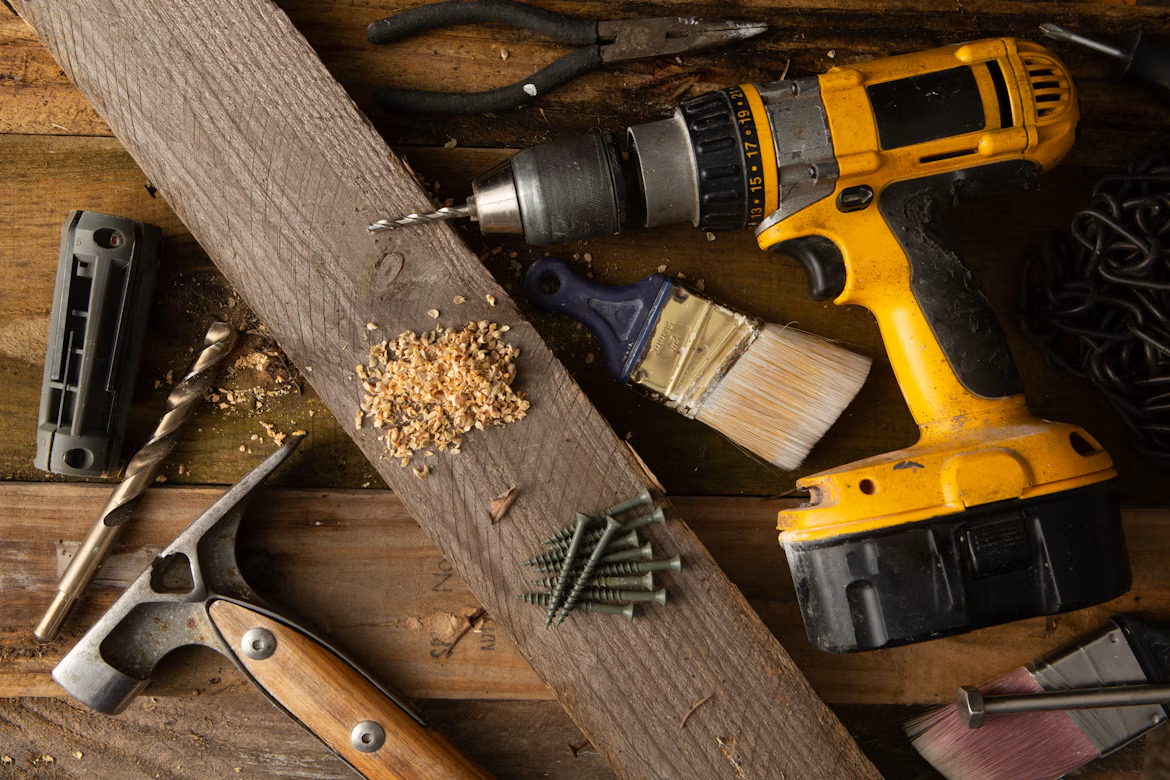
- High-grade cordless drill: A lightweight 20V drill drives fasteners into drywall, hangs heavy mirrors, and assembles flat-pack furniture quickly.
- Magnetic level bar: A compact 12-inch magnetic level keeps floating shelves straight, art frames level, and brackets perfectly aligned.
- Comfortable utility blade: Sharp retractable utility knives score drywall, slice tough packaging, and strip excess caulking with clean precision.
- Versatile locking pliers: Self-gripping pliers loosen frozen water valves, extract stripped screw heads, and hold loose pipes securely during quick adjustments.
How do you prevent mid-project supply store runs?
Unplanned store runs shatter your productive rhythm faster than almost any unexpected complication. When you pause midway through an installation to hunt for missing wall anchors or specific drill bits, you lose your motivation and burn daylight sitting in traffic.
Set up a dedicated staging bin or folding table in your workspace 24 hours prior to starting work. Lay out your fasteners, safety glasses, pencils, and hand tools so you can spot missing hardware well before your first cut.
How do active workspace resets keep tasks light?
Disorder in your immediate work area creates mental drag that slows down every movement you make. Setting clear rules for your physical space keeps you focused and prevents accidental tool damage.
- Empty your drop zone: Clear away packaging boxes, cut scraps, and empty plastic wrappers immediately after unboxing new materials.
- Park common fasteners: Keep loose screws and wall anchors in shallow magnetic bowls rather than scattering them across wide floor surfaces.
- Stage power chargers: Place your battery docks on one clean shelf near the doorway so fresh battery packs stay ready to swap.
- Sweep sawdust tracks: Run a shop vacuum across your work surfaces every 45 minutes to protect your home flooring from tracked grit.
How do you measure genuine progress in your home?
You build lasting DIY capability by tracking completed items rather than obsessing over an unfinished punch list. Celebrate minor victories, like a firmly hung shelf or a cleanly edged lawn, because those micro-wins prove you can reshape your environment on your own schedule.
Keep your standards realistic and match your commitments to the real hours you have open. When you protect your weekends from runaway renovations and use tools that perform without hassle, working on your house becomes an energizing hobby instead of a second job.
How do you protect your weekends from scope creep?
Scope creep sneaks into home projects when you let spontaneous ideas expand your current task list. When you paint a bathroom vanity, resist the urge to immediately rip out the floor tile or replace the sink plumbing on the same afternoon.
Write down those additional design ideas on a dedicated future project list. Sticking strictly to your original task boundary protects your rest, prevents half-finished rooms, and keeps your living space functional from Sunday evening onward.
You build lasting DIY capability by tracking completed items rather than obsessing over an unfinished punch list. Celebrate minor victories, like a firmly hung shelf or a cleanly edged lawn, because those micro-wins prove you can reshape your environment on your own schedule. Keep your standards realistic and match your commitments to the real hours you have open. When you protect your weekends from runaway renovations and use tools that perform without hassle, working on your house becomes an energizing hobby instead of a second job.