Every legal case starts with proper notice. When someone files a lawsuit, the opposing side must get a copy of the papers. The law requires a neutral handoff, so plaintiffs cannot deliver their own court forms.
This is where a process server steps in to help. These professionals make sure court papers reach the right people on time. Without them, civil lawsuits would stall before ever reaching a judge.
Daily Work In The Court System
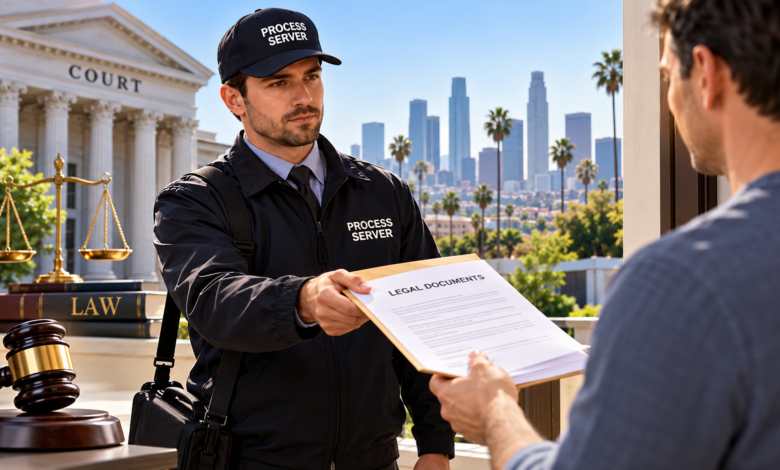
A process server hands legal papers directly to named defendants. An article from the American Bar Association notes that personal delivery requires an independent third party a professional server who tracks down the recipient and delivers printed documents. This step gives the other side fair warning to prepare a defense.
After handoff, the server signs a paper called a proof of service. This document lists the exact date, time, and street address of the delivery. The attorney files this proof with the court clerk to show the job is done.
Servers locate missing witnesses who must appear in court. They spend hours verifying home addresses and places of work to deliver subpoenas. Good servers know how to handle tough conversations at the front door with calm manners.
Serving Papers With A Process Server In Los Angeles
Big cities present special challenges when locating people who want to avoid court. Hiring a trusted process server Los Angeles helps legal teams track down parties across large neighborhoods without losing time. Local servers know how to enter gated communities and busy business parks. They know the streets well and use smart search tools to get papers served.
Basic service in the city often costs between $75 and $150 per case. Rush jobs cost more when a lawyer faces a tight 24-hour court cutoff. Using a local specialist prevents bad drops and keeps the lawsuit on track.
Navigating heavy traffic and parking in crowded areas requires patience. Experienced local couriers plan their routes early in the morning to catch people before work. This persistence saves clients money on repeat visit fees.
Rules And Requirements For Certified Servers
States set strict rules to make sure servers follow the law. Informational materials from the California Courts state that a registered process server is a business paid to deliver court forms. Many counties require servers to pass background checks and file official paperwork before taking jobs.
A certified server handles several routine duties on an assignment:
- Finding the correct person
- Handing legal forms directly
- Recording time and place details
Many states mandate a cash bond for private servers. A typical $2,000 bond protects clients against mistakes or bad service claims. This requirement keeps servers honest and protects the integrity of the courts.
Protecting Due Process Rights For Everyone
The United States Constitution promises fair notice to anyone facing a lawsuit. Process servers protect this basic right by creating clear records of every handoff. Judges cannot make final orders against a defendant who never received notice.
Bad service causes major problems for plaintiffs. A single mistake can force a judge to dismiss the case or toss out a default judgment. A dismissed case can cost plaintiffs thousands of dollars and waste 3 to 6 months of work.
Court servers keep the wheels of justice moving forward every day. Their work gives both sides a fair chance to speak before a judge. Professional delivery gives plaintiffs the confidence that their case can move ahead cleanly.