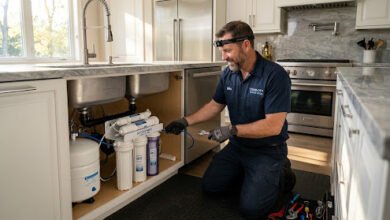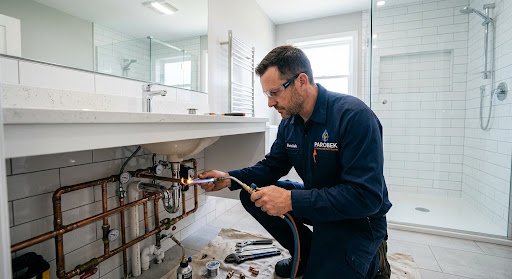
A dripping faucet at 2 a.m. Water pooling under the sink. A toilet that just won’t stop running. These small annoyances are often the first warning signs of bigger plumbing problems brewing beneath the surface. The good news? Catching them early can save homeowners hundreds, sometimes thousands, of dollars in water damage and emergency repairs.
Plumbing issues rarely announce themselves with fanfare. Instead, they whisper through subtle clues: a slight discoloration on the ceiling, an unexplained spike in the water bill, or a faint gurgling sound coming from the drain. Homeowners who learn to recognize these early warning signs are far better positioned to act before a minor nuisance becomes a full-blown emergency.
This post breaks down the five most common signs that it’s time to call in a professional, along with practical tips for keeping your home’s plumbing system running smoothly year-round.
Why Does Low Water Pressure Happen So Suddenly?
One day the shower feels powerful and invigorating. The next, it’s barely a trickle. Sudden drops in water pressure are rarely random. They usually point to an underlying issue such as a hidden leak, mineral buildup in the pipes, or a failing pressure regulator.
Hard water deposits are one of the sneakiest culprits. Over time, minerals like calcium and magnesium accumulate inside pipes, narrowing the pathway for water to flow. This buildup doesn’t just reduce pressure; it also puts extra strain on the entire plumbing system, potentially shortening its lifespan.
If low pressure affects a single fixture, the fix might be as simple as cleaning a clogged aerator. But if the problem spans the whole house, it’s worth having a professional inspect the pipes for corrosion, leaks, or blockages that could worsen without intervention.
What Causes Strange Noises Coming From the Pipes?
Banging, whistling, or gurgling sounds coming from the walls or under the floor are more than just unsettling. They’re often a sign that air has entered the pipes, water pressure is too high, or a pipe has come loose from its fitting.
A phenomenon known as “water hammer” is a common cause of loud banging noises. This happens when water flow is suddenly stopped or redirected, creating a shockwave that reverberates through the pipes. While an occasional water hammer isn’t necessarily dangerous, frequent occurrences can loosen pipe joints over time and lead to leaks.
Gurgling sounds, on the other hand, often point to a venting issue or a partial clog somewhere in the drainage system. Ignoring these noises can allow a minor blockage to develop into a complete pipe obstruction, which is far more costly and disruptive to fix.
How Can You Tell if a Leak Is Hiding Behind the Walls?
Not all leaks are obvious. Some develop slowly behind walls, under floors, or beneath slabs, causing damage long before anyone notices a drop of water. Watch for these subtle indicators:
- Musty odors that won’t go away, even after cleaning
- Discolored patches on walls, ceilings, or floors
- Peeling paint or bubbling wallpaper
- An unexplained increase in the monthly water bill
- The sound of running water when all fixtures are off
Hidden leaks are particularly concerning because they create the perfect environment for mold growth, which can affect indoor air quality and pose health risks to the household. The longer a hidden leak goes undetected, the more expensive the resulting repairs tend to be, both for the plumbing itself and for any structural damage caused by prolonged moisture exposure.
Why Do Drains Keep Clogging No Matter How Often You Clean Them?
A single slow drain might just need a good scrubbing or a dose of drain cleaner. But when every drain in the house seems to clog repeatedly, that’s a sign of a deeper issue within the main sewer line.
Tree roots are a frequent cause of recurring clogs, especially in older homes with clay or cast-iron sewer pipes. Roots are drawn to the moisture inside these lines and can infiltrate even the smallest cracks, growing until they create significant blockages. Grease buildup, foreign objects, and pipe misalignment are other common culprits behind chronic clogging.
Trying to clear a main line clog with store-bought chemicals rarely solves the underlying problem and can sometimes make things worse by corroding aging pipes. A thorough inspection using specialized equipment is often the only way to pinpoint the exact location and cause of a persistent clog.
When Should You Call a Professional for Water Heater Issues?
Few things disrupt a morning routine faster than a cold shower when hot water was expected. Water heaters typically show warning signs well before they fail completely, including:
- Inconsistent water temperature
- Rust-colored water coming from hot water taps
- Unusual rumbling or popping sounds from the tank
- Water pooling around the base of the unit
- An aging unit nearing the end of its typical 8-12 year lifespan
Dependable, honest, and fast Plumbing Repair can mean the difference between a quick fix and a costly household disaster. Sediment buildup inside the tank is one of the most common reasons for reduced efficiency and strange noises. As minerals settle at the bottom of the tank, they create a barrier that forces the heating element to work harder, driving up energy costs and shortening the unit’s lifespan.
Parobek Plumbing & Air Conditioning helps homeowners get ahead of these issues with thorough inspections that catch small problems before they turn into expensive replacements. Whether it’s flushing sediment, replacing a worn heating element, or recommending a full system replacement when it makes financial sense, a professional assessment takes the guesswork out of the decision.
Protect Your Home Before Small Problems Become Big Ones
Plumbing problems rarely fix themselves, and waiting too long to address warning signs almost always leads to higher repair costs down the road. From unexplained noises to mysterious water bill spikes, these signs deserve attention rather than a wait-and-see approach.
Parobek Plumbing & Air Conditioning has built a reputation for honest assessments, dependable workmanship, and fast response times for homeowners facing everything from minor leaks to major plumbing emergencies. Scheduling an inspection at the first sign of trouble is one of the simplest ways to protect a home’s plumbing system and avoid unnecessary expenses.
Don’t wait for a small drip to become a major headache. Reach out to Parobek Plumbing & Air Conditioning today to schedule an inspection and keep your home’s plumbing running smoothly for years to come.
Frequently Asked Questions
How much does it typically cost to fix a plumbing issue?
Costs vary widely depending on the severity and location of the problem, ranging from a simple faucet repair to a full pipe replacement. Getting an inspection is the best way to receive an accurate estimate for your specific situation.
How often should home plumbing be inspected?
Most plumbing professionals recommend a full inspection once a year, especially for older homes or properties with a history of plumbing issues.
Can I fix minor plumbing issues myself?
Simple tasks like clearing a clogged aerator or plunging a toilet are usually safe for homeowners to handle. However, issues involving hidden leaks, sewer lines, or water heaters typically require professional expertise to avoid making the problem worse.
What’s the biggest risk of ignoring a plumbing problem?
Beyond the inconvenience, ignored plumbing issues can lead to water damage, mold growth, and structural damage to a home, all of which are far more expensive to repair than the original issue.