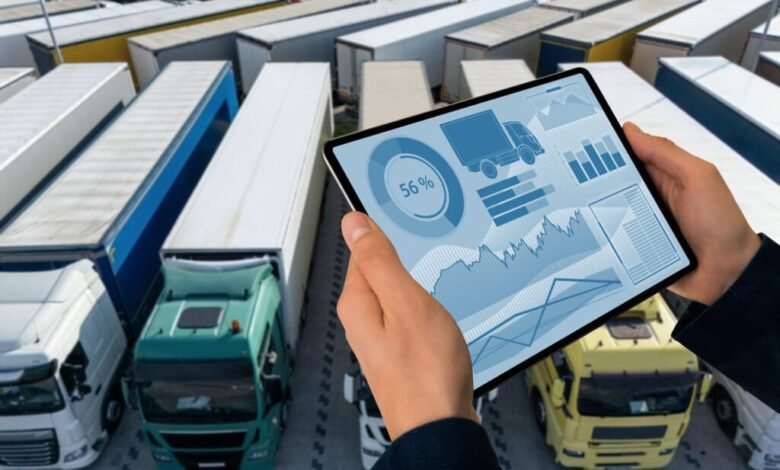
Running a fleet is a balancing act. You’re managing routes, schedules, drivers, and deadlines, all while keeping an eye on costs that can spiral out of control if you’re not careful. One of the biggest hidden drains on time and money? The simple act of fueling up.
For decades, businesses accepted detours to gas stations as an unavoidable cost of doing business. Drivers would pull off their routes, wait in line, pay retail prices, and lose precious hours that could’ve been spent making deliveries or serving customers. But that model is starting to look outdated as more companies discover there’s a smarter way to keep their vehicles running.
This shift isn’t just about convenience. It’s about rethinking fuel logistics as a strategic advantage rather than a necessary evil. Companies that have made the switch report fewer disruptions, better cost control, and drivers who spend more time doing what they’re actually paid to do.
So what does this smarter approach look like, and why are so many fleet managers making the change?
The Hidden Costs of Traditional Fueling
Most businesses don’t realize how much their current fueling process is actually costing them until they break it down. Every detour to a gas station adds up: the time spent driving off-route, waiting in line, and driving back. Multiply that by dozens of vehicles and hundreds of fill-ups a month, and you’re looking at a significant chunk of lost productivity.
There’s also the unpredictability factor. Fuel prices fluctuate from station to station and day to day, making it difficult to forecast costs accurately. Drivers paying out of pocket or using company cards at retail stations often pay more than they would through a dedicated commercial account. And without a centralized system, tracking fuel spend across a fleet becomes a tedious, error-prone process.
Then there’s the wear and tear on driver morale. Nobody enjoys sitting in a fuel line after a long shift. Small frustrations like this add up over time, contributing to turnover in an industry that already struggles with driver retention.
A Better Way: Bringing Fuel to Your Fleet
Instead of sending vehicles out to find fuel, forward-thinking companies are flipping the script entirely. Rather than routing drivers to a station, fuel comes directly to wherever the vehicles are parked, whether that’s an overnight lot, a job site, or a distribution center.
This approach eliminates the need for detours altogether. Vehicles get topped off while they’re already stationary, often overnight or during scheduled downtime, so drivers start their shifts with full tanks and zero delays. It’s a simple change with an outsized impact on daily operations.
Fuel Logic has built its entire service around this concept, helping businesses across industries, from construction to logistics to agriculture, eliminate the inefficiencies baked into traditional fueling. By delivering diesel and gasoline directly to fleets, equipment, and generators, the company removes one of the most persistent headaches in fleet management.
What Makes This Approach Worth Considering
Businesses that make the switch tend to see benefits well beyond the obvious time savings. Here’s what typically changes:
Predictable costs. With consistent, transparent pricing and bulk purchasing options, budgeting becomes far easier than trying to account for fluctuating retail prices across multiple locations.
Less downtime. Vehicles and equipment that run out of fuel mid-job create costly delays. Scheduled deliveries ensure tanks stay full, keeping projects and routes on track.
Simplified tracking. Centralized invoicing and reporting replace the mess of receipts and fuel cards, making it easier to monitor spend across an entire fleet.
Happier drivers. Removing fuel stops from a driver’s daily routine means more time on actual work and less frustration behind the wheel.
Scalability. As a business grows, its fuel needs grow too. A dependable delivery partner can scale alongside that growth without requiring major changes to internal processes.
Who Actually Benefits from This Model
This isn’t just a convenience for massive national fleets. Construction companies refueling heavy equipment on remote job sites, agricultural operations running machinery during harvest season, event companies powering generators for outdoor festivals, and logistics companies managing dozens of delivery vehicles all deal with the same core problem: keeping fuel supply reliable without sacrificing time or budget.
Fuel Logic works with businesses of all sizes across these industries, tailoring delivery schedules to match specific operational needs. Whether a company needs daily fuel drops or occasional emergency refills, the flexibility of on-site delivery adapts to the way that business actually operates, not the other way around.
Making the Switch Without the Hassle
One of the biggest misconceptions about changing fuel logistics is that it requires a complicated overhaul. In reality, the transition tends to be straightforward. It starts with an assessment of current fuel usage and operational patterns, followed by setting up a delivery schedule that aligns with when and where fuel is needed most.
Reliable, on-site fuel delivery removes the guesswork from keeping vehicles and equipment running, giving fleet managers one less thing to worry about each day. Instead of reacting to low fuel gauges or scrambling to find an open station, businesses can plan ahead with confidence, knowing their fuel supply is accounted for before it becomes a problem. That shift from reactive to proactive fuel management tends to ripple outward, improving everything from route efficiency to driver satisfaction.
Fuel Logic handles the logistics behind the scenes, so businesses can stay focused on their actual operations rather than fuel sourcing. From initial setup to ongoing delivery schedules, the process is designed to integrate smoothly into existing workflows.
Rethinking Fuel as a Strategic Asset
Fuel isn’t just a line-item expense. It’s a critical input that keeps entire operations moving. Treating it as an afterthought, something handled reactively whenever tanks run low, leaves businesses vulnerable to delays, inflated costs, and avoidable headaches.
Companies that treat fuel logistics as a strategic priority, rather than a background task, tend to operate more smoothly. They spend less time managing fuel-related disruptions and more time focused on growth.
If your business is still sending drivers out to chase down fuel, it might be worth asking whether that process is really serving you, or simply costing you more than you realize. Fuel Logic offers a straightforward alternative: reliable, scheduled delivery that keeps your fleet fueled and focused on the work that matters. Reach out today to find out how a tailored fuel delivery plan could fit into your operations.