Piper Maru Klotz? Growing Up Beside The X-Files Without Becoming a Hollywood Star


Piper Maru Klotz has one of the most interesting quiet stories connected to 1990s television. She was born into a world where cameras, sets, scripts, and science-fiction fame were already part of family life. Her mother, Gillian Anderson, was becoming known around the world as Dana Scully on The X-Files. Her father, Clyde Klotz, also worked in the same creative world as an art director and production designer. So Piper’s early life was close to one of the most famous TV shows of its time.
Yet her adult path did not become a loud Hollywood story. She did not grow into a celebrity child who chased fame for attention. Instead, Piper Maru Klotz became known more quietly as an artist and designer. That makes her story more thoughtful. It shows that growing up near fame does not always mean living for fame. It can also lead to private creativity, personal identity, and a life built outside the usual celebrity spotlight.
Piper Maru Klotz Was Born During a Major X-Files Moment
Piper Maru Klotz was born on September 25, 1994, in Vancouver, British Columbia, during the early success of The X-Files. Public reports identify her as the daughter of Gillian Anderson and Clyde Klotz. PEOPLE has reported that Anderson shares Piper with Clyde Klotz, who worked in production design, and that Piper later became an artist and designer herself. This timing matters because The X-Files was not just another TV job for Anderson.
It was the role that made her a major name in television. Anderson’s character, Dana Scully, became an important figure for many fans. Scully was smart, serious, calm, and strong. At the same time, Anderson was also becoming a new mother. That mix of fame and motherhood shaped the background of Piper’s early life. She was born close to a huge cultural moment, but she was also simply a child in a working family.
Gillian Anderson Returned to Work Soon After Piper’s Birth
One of the strongest parts of Piper’s childhood story is how quickly Gillian Anderson returned to work after giving birth. PEOPLE reported that Anderson recalled returning to The X-Files set only 10 days after welcoming Piper in 1994. That detail shows the pressure Anderson faced as a young actress on a demanding show. TV production moves fast. Episodes have schedules. Crews have deadlines. Networks expect delivery.
For a mother, especially a new mother, that can be heavy. Anderson was not only acting in a hit show. She was also learning how to care for a newborn. This gives Piper’s story a human side. Behind the famous show, there was a baby. Behind the strong TV character, there was a mother adjusting to a new life. Piper’s arrival became part of Anderson’s real life while Anderson was still carrying a major public role.
A Childhood Around Sets, Not a Normal Public Childhood
Piper Maru Klotz did not grow up around an ordinary office job. Her early world was connected to TV sets, production teams, costumes, props, lights, and long filming days. Archived media coverage from Anderson’s early fame years described Piper as being present around The X-Files set when she was young. That kind of childhood is unusual. A set can feel exciting, but it can also be busy and tiring.
Many adults are working at once. There are schedules, scenes, takes, and constant movement. For a child, it may look magical from the outside, but it is also a workplace. This makes Piper’s story different from a simple “celebrity daughter” headline. She was close to fame, but she also saw the labor behind it. Fame was not only red carpets and photos. It was work. It was long hours. It was a mother doing her job while also raising her child.
Why Piper’s Story Is Not Just About Gillian Anderson
Many readers first search for Piper Maru Klotz because of Gillian Anderson. That is natural. Anderson is the famous parent. She has worked in major TV shows, films, and stage projects. But Piper’s story should not be reduced to only “Gillian Anderson’s daughter.” Piper has her own creative identity. PEOPLE has described her as an artist and designer, following a creative path connected more closely to art and design than public acting fame.
This matters because many children of famous people face one unfair problem. The public often sees them as extensions of their parents. Their names are searched because of family ties. Their choices are compared to a parent’s career. But Piper’s life shows another route. She can be connected to Anderson’s fame while still being her own person. Her quiet public image makes that point even stronger.
Growing Near Fame Does Not Always Create a Hollywood Career
It is easy to assume that a child raised near a hit show will enter Hollywood. Many celebrity children do. Some become actors. Some become models. Some become influencers. But Piper Maru Klotz did not become widely known as a mainstream Hollywood star. Public profiles connect her more with art, design, and creative work than with a fame-first acting path.
This is important for readers because it challenges a common idea. Fame is not always inherited in the same form. A famous parent may open public curiosity, but it does not decide a child’s full life. Piper’s story suggests that creative influence can move in quieter ways. She may have seen sets and production work, but her adult direction moved toward visual creation and design. That is still creative, but it is not the same as living in front of cameras.
The Creative Influence of Both Parents
Piper’s creative path makes more sense when readers look at both sides of her family background. Gillian Anderson is an actress known for performance and character work. Clyde Klotz is connected to production design and art direction. Public reports identify Clyde as someone who worked behind the scenes in the creative side of television production. That means Piper grew up with two different kinds of creative influence.
One was performance. The other was visual design and production space. This background may help explain why Piper did not simply copy her mother’s acting career. Art and design can be just as connected to storytelling as acting. A set designer, production artist, painter, or object maker also builds worlds. They just do it through space, shape, material, and image instead of dialogue and scenes.
What Makes Piper Maru Klotz’s Path More Private
Piper Maru Klotz is not known for giving constant interviews or turning her family background into a public brand. That privacy is one reason her story feels different. Many celebrity children become famous because they appear often on social media, reality shows, or celebrity news sites. Piper’s public profile is smaller and more selective.
AmoMama reported that she has been described as an artist and that she has appeared publicly with Gillian Anderson at some events, but her life has not been built around constant celebrity exposure. This privacy should be respected. A person can be connected to fame without owing the public every detail. For a blog post, that is an important tone to keep. The best way to write about Piper is to focus on public facts, creative work, and the larger lesson about building identity quietly.
A Name Connected to The X-Files Legacy
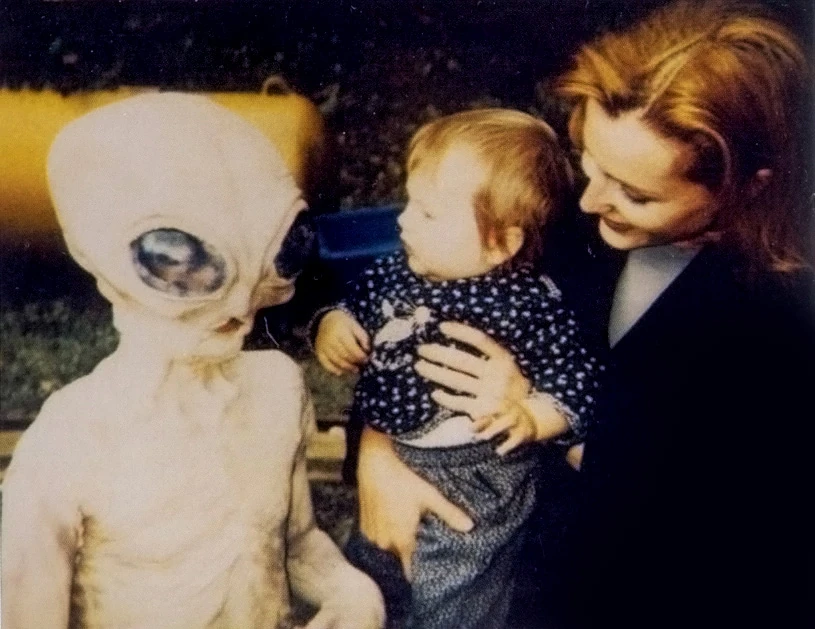
The name Piper Maru also has a direct link to The X-Files legacy. Public sources have noted that an episode of The X-Files was named “Piper Maru,” connecting her name to the show’s long fan history. This gives her story a strong pop-culture hook. For fans, the name is not only a family name.
It is also part of the show’s memory. But this connection can be viewed in two ways. On one side, it makes Piper part of The X-Files history. On the other side, it shows how a child can become linked to public culture before choosing any public life herself. That is why this topic needs care. The episode title may interest fans, but Piper’s adult identity is not only a TV reference. She is a real person with her own creative direction.
Piper’s Move Toward Art and Design
As an adult, Piper Maru Klotz became associated with art and design. PEOPLE reported that she works as an artist and designer and has been connected to Maru Objects, a creative studio focused on art, homeware, and games. A CHERUB Magazine interview also described Piper Maru as an artist and former set designer, and discussed her interest in dreams, masks, painting, and beginning again.
This makes her adult path especially interesting. She did not fully leave creativity behind. She simply chose a different form of it. Art and design allow a person to create meaning without needing a public acting career. They can be personal, visual, and thoughtful. In that way, Piper’s story is not about rejecting creativity. It is about choosing the kind of creativity that fits her.
What Her Story Teaches About Celebrity Children
Piper Maru Klotz’s life can help readers think differently about children of famous people. Not every celebrity child wants to become famous. Not every child raised near cameras wants to live in front of them. Some choose smaller public lives. Some choose art, study, business, design, family, or private work. Piper’s story shows that being born near fame is not the same as choosing fame.
Here are the main lessons readers can take from her story:
-
A famous parent can shape a child’s world, but not fully define it.
-
Growing up near a TV set can inspire creativity without creating a Hollywood career.
-
Privacy can be a healthy choice, not a mystery.
-
Artistic work can be meaningful even when it is not celebrity-driven.
-
A child of a star can build a name slowly, quietly, and respectfully.
These points make Piper’s story useful for more than celebrity readers. It is also a story about identity. It asks a simple question: how does someone build a life when the public already knows their family name?
Gillian Anderson’s Motherhood Adds a Human Layer
Gillian Anderson’s public image is often linked to strong roles. Dana Scully became a symbol of intelligence and control for many viewers. But Anderson’s early motherhood adds a softer layer to that public story. Returning to work shortly after Piper’s birth shows how hard the balance may have been between career and home life.
It also reminds readers that famous actors are still parents. They still deal with tiredness, pressure, and difficult choices. Piper’s presence in Anderson’s life made the story behind The X-Files more human. While fans watched mysteries on screen, Anderson was living a real story off screen. That story included motherhood, work, and the effort to protect a child from too much public attention.
Why Piper’s Quiet Route Feels More Modern Now
Today, many people are tired of overexposure. Social media has made private life feel public. Celebrity children are often followed, judged, and discussed before they can define themselves. That is why Piper Maru Klotz’s quieter route feels meaningful. She shows another model.
A person can be connected to a famous family and still avoid turning every detail into content. This feels especially important in 2026, when online attention can be intense. Piper’s story gives readers a softer example of public connection without public performance. She can be part of The X-Files history, connected to Gillian Anderson, and still mainly known through her own creative work.
Public Curiosity Should Not Become Private Pressure
When writing about Piper Maru Klotz, it is important to avoid gossip. The strongest article angle is not about trying to uncover private details. It is about explaining the public story with respect. Readers can learn about her family background, her connection to The X-Files, and her artistic work without needing private information. This is also better for SEO and trust. Articles that rely on false claims, guessed relationships, or personal rumors can lose reader confidence. A better article uses careful language.
Helpful phrases include:
-
“Publicly known information shows…”
-
“Reports have described…”
-
“She is best known to many readers as…”
-
“Her public profile appears more private than celebrity-focused…”
-
“Available sources connect her adult work to art and design…”
This style keeps the article safe, clear, and respectful. It also makes the writing feel more professional.
How This Angle Can Stand Out From Basic Celebrity Content
Many articles about celebrity children repeat the same facts. They mention parents, birth date, age, and a few public appearances. That can feel thin. This angle is stronger because it tells a real theme. The theme is not “Who is Piper Maru Klotz?” only. The theme is “How did a child grow up near one of TV’s biggest shows and still choose a quieter creative path?” That question gives the article more depth. It lets you talk about childhood, fame, art, motherhood, and privacy. It also helps the article feel less like a list and more like a story.
A strong blog structure can include:
-
Her birth during The X-Files fame
-
Anderson’s return to work after childbirth
-
Piper’s early connection to the set
-
The influence of both parents
-
Her adult move toward art and design
-
The lesson of choosing identity outside fame
This makes the article informative and personal without becoming invasive.
Conclusion
Piper Maru Klotz grew up close to one of television’s most famous sci-fi worlds. Her mother, Gillian Anderson, was becoming a major star through The X-Files. Her father, Clyde Klotz, also worked in creative production. Piper’s childhood was connected to sets, scripts, and public attention. Yet her life did not become a typical Hollywood story. She did not build her identity around constant fame. Instead, publicly available information connects her adult life more closely to art and design.
That choice makes her story worth telling. It shows that fame can surround a person without controlling them. It also shows that creativity can take many forms. Some people act in front of the camera. Some build worlds behind it. Some step away and make art in quieter ways. Piper Maru Klotz’s story matters because it reminds readers that a famous family name can be part of someone’s beginning, but it does not have to be the whole story.